
How to Build a High-Performing AI Team From Scratch in 2026

A high-performing AI team combines clear business goals, specialized talent, strong leadership, and scalable processes to turn AI initiatives into measurable business results.
Artificial intelligence is no longer an experimental technology reserved for large enterprises. In 2026, organizations across industries are investing heavily in AI to improve efficiency, automate workflows, enhance customer experiences, and unlock new revenue opportunities. However, technology alone does not create success. The companies achieving meaningful AI outcomes are those that understand how to build an AI team capable of turning ideas into practical business solutions.
Building an AI team from scratch can feel overwhelming. Many organizations struggle with talent shortages, unclear hiring priorities, and rapidly changing technologies. Some hire data scientists before defining business objectives, while others invest in AI tools without the expertise needed to deploy them effectively.
The reality is that successful AI teams begin with strategy, not technology. Organizations that establish clear goals, hire the right mix of technical and business talent, and create scalable processes are far more likely to achieve long-term success.
This guide explains how to build an AI team from the ground up, covering team structure, hiring strategies, management practices, and common challenges businesses should prepare for in 2026.
Related Article: Why Hiring AI Leaders Is Harder Than Ever (And How to Do It Right)
Define the Goals and Structure of Your AI Team
Before posting job descriptions or evaluating candidates, companies must determine why they are building an AI team in the first place.
Align AI Initiatives With Business Objectives
The most successful AI projects solve real business problems. Whether the goal is reducing operational costs, improving forecasting accuracy, automating customer support, or developing intelligent products, every AI initiative should connect directly to measurable outcomes.
Organizations that begin with a clear business objective can more easily identify the skills and expertise required to achieve those goals.
Determine Team Size and Maturity
Not every company needs a large AI department immediately. A startup may begin with a small team focused on experimentation, while larger organizations may require specialized groups handling machine learning, infrastructure, governance, and product development.
The structure should reflect current business needs while allowing room for future expansion.
Related Article: How to Hire a Machine Learning Engineers in 2026
Create Cross-Functional Collaboration
AI teams rarely operate in isolation. They often work closely with product managers, software engineers, executives, compliance teams, and business stakeholders.
Creating communication channels between departments ensures AI solutions address practical business requirements rather than purely technical objectives.

Key Roles Every High-Performing AI Team Needs
Understanding how to build an AI team requires knowing which positions contribute to successful AI implementation.
AI Leader or Head of AI
Every high-performing team needs strategic leadership. This individual aligns AI initiatives with business goals, manages priorities, secures executive support, and ensures projects deliver measurable value.
Machine Learning Engineers
Machine learning engineers design, deploy, and maintain AI models. They transform research concepts into production-ready systems that can operate reliably at scale.
Data Scientists
Data scientists analyze information, identify patterns, develop predictive models, and generate insights that help organizations make informed decisions.
Data Engineers
AI systems rely on quality data. Data engineers build and maintain the pipelines, infrastructure, and storage systems necessary for collecting and preparing data.
AI Product Managers
AI product managers bridge technical and business teams. They prioritize projects, define requirements, and ensure solutions address customer and organizational needs.
MLOps Specialists
As AI adoption grows, MLOps professionals become increasingly valuable. They manage deployment processes, monitor model performance, automate workflows, and improve system reliability.
Domain Experts
Technical expertise alone is not enough. Industry specialists provide context that helps AI teams develop solutions aligned with real-world business challenges.

How to Hire AI Talent in a Competitive Market
Hiring remains one of the most difficult aspects of how to build an AI team in today's market.
Focus on Skills Over Titles
Job titles often vary between organizations. Instead of searching exclusively for specific titles, evaluate candidates based on technical competencies, project experience, problem-solving ability, and business understanding.
Look Beyond Traditional Talent Pools
Many companies compete for candidates from the same major technology firms. Expanding recruitment efforts to research institutions, emerging startups, open-source communities, and international markets can uncover exceptional talent.
Assess Practical Experience
Candidates who have successfully deployed AI systems often provide greater value than those with strong theoretical knowledge alone. Real-world implementation experience helps teams avoid common mistakes and accelerate development.
Build an Attractive Employer Brand
Top AI professionals often have multiple opportunities available. Organizations that offer meaningful work, professional growth, innovation opportunities, and supportive leadership are more likely to attract and retain high-performing talent.

Common Challenges When Building an AI Team From Scratch
Even organizations with strong hiring strategies encounter obstacles.
Talent Shortages
Demand for AI expertise continues to outpace supply. Finding qualified professionals with both technical knowledge and business awareness remains challenging across many industries.
Unclear Project Priorities
Some companies launch multiple AI initiatives simultaneously without defining success metrics. This often leads to wasted resources and limited business impact.
Data Quality Issues
AI systems depend on reliable data. Incomplete, inaccurate, or fragmented datasets can significantly reduce model performance and project effectiveness.
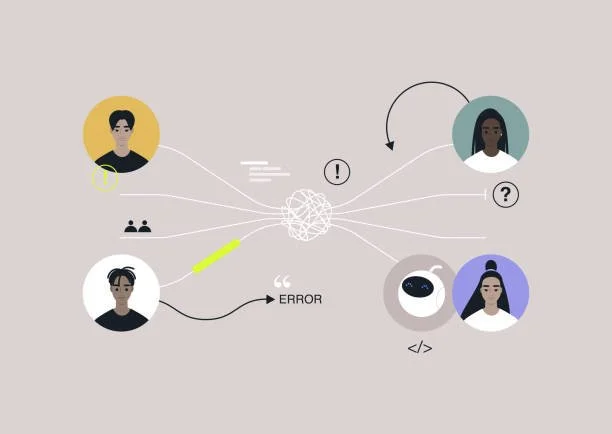
Communication Gaps
Technical specialists and business stakeholders may have different expectations. Without consistent communication, projects can drift away from organizational goals.
Scaling Challenges
Many companies successfully build prototypes but struggle to deploy solutions across the organization. Scalability requires robust infrastructure, governance frameworks, and operational processes.
Best Practices for Managing and Scaling AI Teams
Once the team is in place, effective management becomes critical.
Establish Clear Success Metrics
Every AI initiative should have measurable objectives. These may include revenue growth, cost reduction, efficiency improvements, customer satisfaction, or productivity gains.
Invest in Continuous Learning
AI evolves rapidly. Providing access to training, conferences, certifications, and research resources helps teams remain current with emerging technologies and methodologies.
Encourage Experimentation
Innovation often requires testing new approaches. High-performing AI teams create environments where experimentation is encouraged while maintaining accountability and business focus.
Standardize Development Processes
Documented workflows improve consistency, reduce errors, and simplify collaboration. Standardization also supports future team growth.
Prioritize Responsible AI Practices
Organizations must consider ethics, transparency, privacy, security, and regulatory compliance when deploying AI solutions. Responsible governance helps reduce risk and build stakeholder trust.
Building Scalable AI Teams for 2026
Get Expert Help Hiring AI Talent
Get Expert Help Hiring AI Talent
Organizations seeking long-term success must view AI team development as an ongoing investment rather than a one-time hiring initiative. Technology will continue evolving, business requirements will change, and competitive pressures will increase. The companies that succeed will be those that combine strategic leadership, specialized expertise, operational discipline, and a culture of continuous improvement.
Understanding how to build an AI team means creating a structure that can adapt to future demands while delivering measurable value today. Businesses that hire thoughtfully, align AI efforts with business goals, and invest in scalable processes position themselves for sustainable growth.
For companies operating in robotics, artificial intelligence, and advanced technology sectors, securing experienced leadership and specialized talent can significantly accelerate success. Samson Rose specializes in recruiting senior leaders, directors, C-suite executives, and highly specialized technical professionals who are often difficult to find through traditional hiring channels. From initial consultation to final placement, their team helps organizations build world-class AI and technology teams. To learn more, contact Samson Rose through https://www.samsonrose.com/contact.
Frequently Asked Questions
-
The timeline varies depending on hiring needs, market conditions, and organizational complexity. Most companies require several months to recruit key personnel and establish foundational processes, while fully mature AI teams often develop over one to two years.
-
The greatest challenge is finding candidates who combine strong technical expertise with practical business understanding. Competition for experienced AI talent remains extremely high.
-
Yes. Startups can focus on hiring versatile professionals, leveraging cloud-based AI platforms, partnering with external experts, and prioritizing projects with clear business impact.
-
Many organizations use a hybrid approach. Internal teams provide long-term strategic alignment, while external specialists help fill skill gaps and accelerate implementation.
-
Industries including healthcare, robotics, manufacturing, finance, logistics, software, cybersecurity, retail, and autonomous systems often achieve significant value from dedicated AI teams due to their extensive data usage and automation opportunities.