
How to Build a Resilient Engineering Team in High-Growth Sectors

Building a resilient engineering team requires strategic hiring, adaptable leadership, continuous learning, and a culture that supports growth through change and innovation.
Building a resilient engineering team is one of the most important priorities for companies operating in high-growth sectors. Whether you're scaling an artificial intelligence startup, expanding a robotics company, or growing an advanced technology organization, rapid growth creates new challenges that can quickly overwhelm engineering teams if the right foundation is not in place.
As organizations expand, engineering leaders must balance hiring, product delivery, technical quality, and employee development simultaneously. The companies that successfully navigate these demands are often those that invest in resilience engineering from the beginning.
Rather than relying on individual high performers to solve every challenge, resilient engineering teams are designed to adapt to change, recover from setbacks, and continue delivering results even during periods of uncertainty. This combination of adaptability, technical excellence, and organizational stability allows businesses to scale more effectively while remaining competitive.
Related Article: 20 Smart Questions to Ask Technology Leaders in 2026
The Challenges of High-Growth Engineering Teams
Rapid growth creates opportunities, but it also introduces obstacles that many engineering organizations underestimate.
As teams grow larger, communication becomes more complex, priorities shift more frequently, and technical systems become increasingly difficult to manage. These are some of the most common challenges of large engineering teams.
Communication Breakdowns
What works for a team of ten engineers rarely works for a team of fifty.
As organizations expand, communication channels multiply, decisions take longer, and information can become siloed between departments. Without clear communication structures, productivity often declines despite having more people on the team.
Scaling Technical Infrastructure
Growth often places significant pressure on existing systems.
Engineering teams may find themselves supporting a larger customer base, managing increased workloads, or integrating new technologies while still maintaining system reliability.
Organizations that fail to invest in resilient technologies early often experience performance issues, technical debt, and operational bottlenecks later.
Competition for Specialized Talent
One of the biggest challenges facing high-growth companies is securing experienced engineering talent.
Fields such as robotics, artificial intelligence, machine learning, autonomous systems, and advanced software development require highly specialized expertise that can be difficult to find.
Competition for these professionals remains intense, particularly for senior leadership and niche technical roles.
Related Article: How to Recruit Machine Learning Engineers in 2026
Burnout and Employee Retention
Rapid growth frequently increases pressure on engineering teams.
When engineers are consistently asked to work longer hours, manage growing responsibilities, and support aggressive timelines, burnout can become a serious issue.
Organizations that prioritize resilience engineering often focus on sustainable workloads, realistic expectations, and long-term employee development to reduce turnover.

Essential Roles and Skills for a Robust Engineering Team
A resilient engineering organization requires more than talented software developers. It needs a balanced mix of leadership, technical expertise, and collaborative problem-solving skills.
Strong Technical Leaders
Senior engineers, engineering managers, and technical architects provide direction and stability during periods of growth.
These professionals help establish scalable systems, guide technical decisions, and mentor less experienced team members.
Specialized Technical Experts
Many high-growth companies rely on specialists with expertise in areas such as:
Artificial intelligence
Machine learning
Robotics
Cloud infrastructure
Cybersecurity
Data engineering
These specialists often play a critical role in developing resilient technologies that support long-term business growth.
Adaptable Problem Solvers
Technical skills are important, but adaptability is equally valuable.
Engineers who can learn new technologies, respond to changing priorities, and collaborate across teams often become key contributors in high-growth environments.
Collaborative Communicators
Engineering rarely happens in isolation.
The strongest engineering teams include professionals who can work effectively with product leaders, executives, designers, operations teams, and customers.
Communication skills often become increasingly important as organizations scale.

Hiring Strategies to Secure Top Engineering Talent
Building resilience starts with hiring the right people.
Many organizations focus heavily on technical qualifications while overlooking characteristics that contribute to long-term success.
1. Hire for Adaptability, Not Just Experience
Technology evolves quickly.
Engineers who demonstrate curiosity, learning agility, and strong problem-solving capabilities often outperform candidates who simply have the longest resumes.
The ability to adapt to change is a core component of resilience engineering.
2. Define Success Before Hiring
Many hiring challenges stem from poorly defined roles.
Before beginning a search, organizations should clearly identify:
Business objectives
Technical requirements
Leadership expectations
Growth opportunities
Clear expectations improve candidate alignment and hiring outcomes.
3. Evaluate Real-World Decision Making
Strong engineers do more than write code.
They make decisions involving scalability, security, reliability, performance, and resource allocation.
Interview processes should assess how candidates approach real engineering challenges rather than focusing exclusively on technical exercises.
4. Build Leadership Pipelines Early
One lesson frequently observed in high-growth organizations is that leadership needs emerge faster than expected.
Companies that identify future leaders early are often better prepared to scale successfully.
Developing leadership internally also helps preserve institutional knowledge and strengthen team culture.
5. Partner With Specialized Recruiters
Many of the best engineering professionals are not actively seeking new opportunities.
Working with specialized recruiting firms can help organizations access senior leaders, technical specialists, and executive candidates who may otherwise remain difficult to reach.
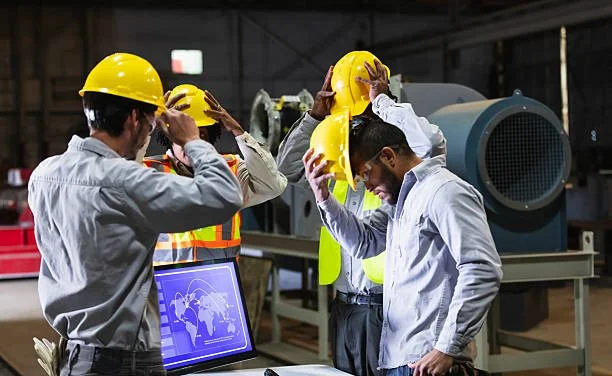
Building a Culture That Supports Adaptability
Even the strongest hiring strategy can fail if the company culture does not support resilience.
A resilient culture enables teams to respond effectively to change while maintaining performance and morale.
Encourage Psychological Safety
Engineers should feel comfortable sharing ideas, asking questions, and discussing mistakes without fear of blame.
Teams that openly communicate challenges often solve problems more quickly and innovate more effectively.
Promote Knowledge Sharing
Knowledge concentrated in a small number of individuals creates organizational risk.
Documentation, mentoring, cross-functional projects, and technical workshops help distribute expertise across the organization.
Focus on Continuous Improvement
Successful engineering organizations regularly evaluate their processes and identify opportunities for improvement.
Small improvements made consistently often have a significant impact over time.
Align Teams Around Shared Goals
When engineers understand how their work contributes to broader business objectives, decision-making becomes more effective and collaboration improves.
Clear alignment helps teams remain focused during periods of rapid change.

Training, Mentorship, and Career Growth for Engineers
Resilience is strengthened when organizations invest in people over the long term.
Companies that prioritize employee development often experience stronger retention, improved performance, and greater adaptability.
Provide Continuous Learning Opportunities
Technology evolves rapidly.
Engineers need access to training, certifications, conferences, and educational resources that help them remain current with industry developments.
Create Formal Mentorship Programs
Mentorship accelerates growth while strengthening organizational knowledge.
Experienced engineers can provide guidance that helps newer team members develop technical and leadership skills more quickly.
Invest in Leadership Development
Many future engineering leaders already exist within your organization.
Providing leadership training helps prepare high-potential employees for management and strategic responsibilities.
Support Long-Term Career Progression
Engineers are more likely to remain with organizations that offer clear growth opportunities.
Career development plans, advancement pathways, and challenging projects help improve retention while building organizational resilience.

Ready to Strengthen Your Engineering Team for the Future?
Partner With Us to Hire Resilient Engineering Team
Partner With Us to Hire Resilient Engineering Team
Building a resilient engineering team requires more than filling open positions. It involves creating an organization that can adapt to change, overcome challenges, and continue delivering results as the business grows.
From addressing the challenges of large engineering teams to implementing resilience engineering practices and investing in resilient technologies, every decision contributes to long-term success.
For companies operating in robotics, artificial intelligence, and advanced technology sectors, securing the right talent is often one of the most important factors in building resilience.
Samson Rose specializes in helping organizations hire senior leaders, directors, C-suite executives, and hard-to-find technical specialists who can drive innovation and support sustainable growth. Their team works closely with clients throughout the entire hiring process, from initial consultation to final placement, ensuring organizations gain access to exceptional talent capable of strengthening engineering teams for the future.
Ready to build a stronger engineering organization? Contact Samson Rose today:https://www.samsonrose.com/contact

Frequently Asked Questions:
-
Look for engineers who combine technical expertise with adaptability, communication skills, problem-solving abilities, and a willingness to learn. These qualities help professionals succeed in rapidly changing environments.
-
Organizations can improve retention by offering career development opportunities, competitive compensation, mentorship programs, meaningful work, supportive leadership, and a healthy work-life balance.
-
Preventing burnout requires realistic workloads, clear priorities, adequate staffing, regular feedback, and a culture that values employee well-being alongside performance and productivity.