
The Temp Agency for Robots: How Matt Bush is Making Automation Feel Like Any Other Shop Tool
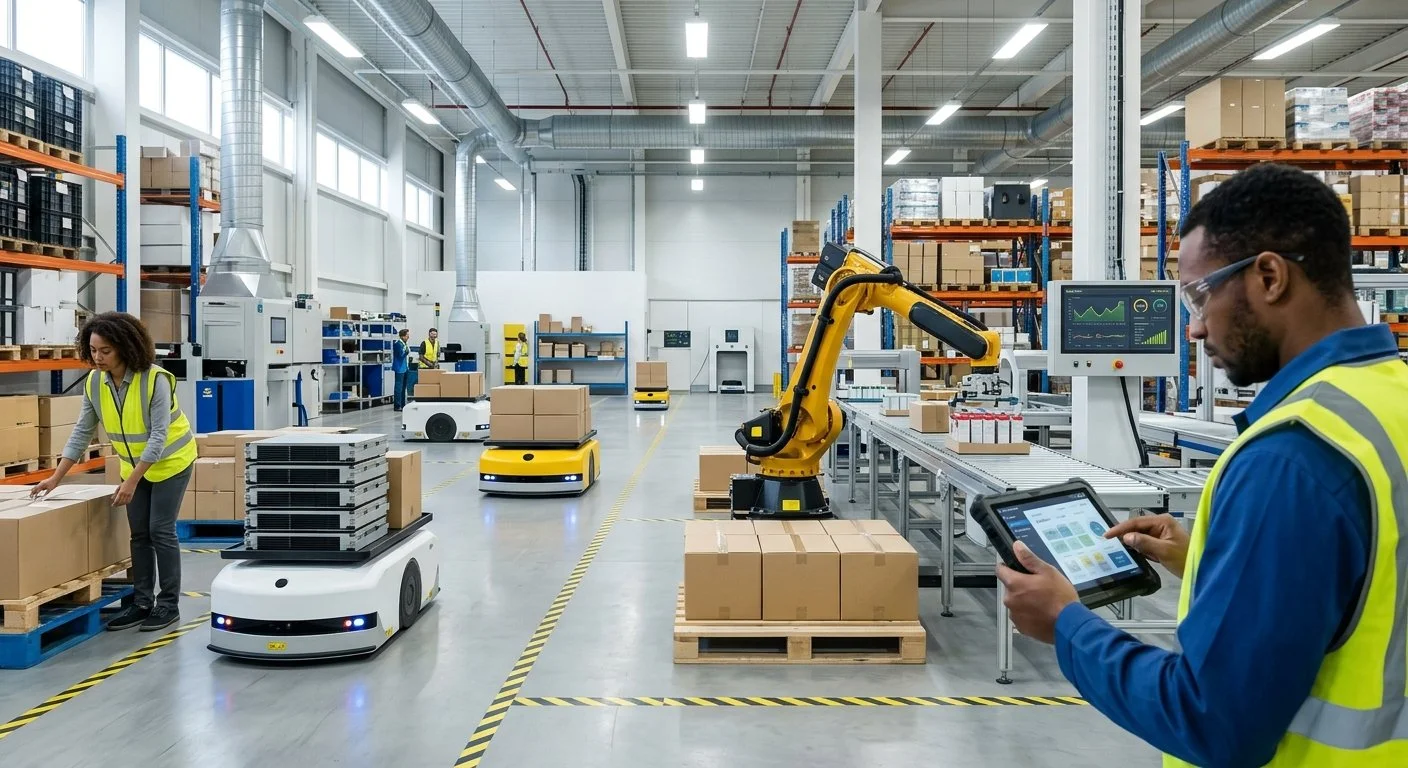
For decades, manufacturers have wrestled with the same stubborn problem. There are not enough people to fill the jobs that need doing. Schools, recruiters, and job fairs have all taken a swing at it, and the gap is still there.
Matt Bush believes the fix starts with a different way of thinking about robots. In the 153rd episode of Machine Minds, the CEO and co-founder of Hirebotics sat down with the host and Samson Rose CEO, Greg Toroosian, to share how nearly two decades running manufacturing plants shaped his approach. The big idea: automation should arrive in a box, work alongside the people already on the floor, and eventually feel like just another tool on the bench. Here is a walkthrough of the best moments and why they matter.
Lessons from Two Decades on the Plant Floor
Matt did not come to robotics from a lab. He came from running manufacturing plants, and that experience taught him a few things the hard way. One lesson was the value of producing closer to the point of consumption. Global supply chains have shown how fragile they can be, and that has only reinforced the point for him.
He was also among the early adopters of collaborative robots on production lines. One story in the episode stands out. An early cobot, nicknamed “Waldo,” moved between jobs all over a Tennessee factory. Instead of being locked into one station, it showed employees how flexible automation could be.
That flexibility changed attitudes. Workers who might have feared a robot discovered it was taking over the repetitive, uncomfortable, and undesirable tasks, not eliminating their jobs. Once people saw that, the robot stopped being a threat and started being a helper. It is a simple shift, but it explains why shop-floor trust matters as much as the technology itself. A robot that people understand and accept gets used. A robot that feels imposed on them tends to sit idle.
Why Robots Are Tools, Not Replacements
Matt is clear about how he sees robots. They are tools, no different from drills, grinders, or computers. Each of those technologies lets people work more effectively, and robots belong in the same category.
That view also shapes his take on the biggest myth in the industry. Many people still assume collaborative robots are coming for their jobs. In Matt’s view, they are increasingly filling jobs that manufacturers cannot fill at all. He points out that decades of effort to solve labor shortages through education and recruiting have not been enough. Demographic shifts are making automation harder and harder to avoid.
The Birth of “Robots as a Service”
Labor shortages pushed Matt toward a model that sounds a lot like hiring a temp worker. Robotics as a service removes the biggest barrier for many shops: the upfront cost. The model offers:
No upfront capital
Limited commitment
Lower financial and operational risk when adopting automation
That is where the name of the episode comes from. A small fabrication shop does not need a giant capital project. It needs help getting the work done, and a robot that behaves like a flexible team member fits that need.
Beacon: One Interface for Many Robots
The heart of Hirebotics is Beacon, a unified software platform that gives manufacturers the same interface across robotic welding, plasma cutting, painting, and other applications. It works no matter which robot hardware sits underneath.
That consistency matters more than it sounds. Standardized systems, cloud connectivity, fleet-wide software updates, and highly responsive support all work together to remove friction. Manufacturers can manage an entire fleet from one place.
Matt also describes what it takes to make industrial robotics feel “iPhone-esque.” In practice, that means:
Shipping systems largely assembled
Removing friction from setup, programming, and operation
Making the technology easy enough for people already on the shop floor to deploy and use
Standardization has a big payoff. Systems can ship in days instead of the weeks or months that custom automation projects usually need.
The Power of Cloud-Connected Robots
Because the robots connect to the cloud, a lot becomes possible. A fix can reach every connected system at once. Teams can pull production analytics and offer remote support without sending someone out on the road. For a small company, that kind of responsiveness can mean the difference between a robot that earns its keep and one that collects dust.
Support has gotten a boost from AI, too. An AI-powered support system now resolves roughly half of customer inquiries before a human needs to step in. Engineers stay directly involved when something more complex comes up, so customers still get real expertise when they need it.
Growing from Welding into Painting
Hirebotics began with welding, but customer demand pulled the company into new territory, including plasma cutting, liquid painting, and powder coating. Painting brings its own set of puzzles. Robots working inside potentially explosive paint environments need special design choices, such as intrinsically safe electronics, air-purged robot arms, and specialized operator controls.
It is a good reminder that real-world automation is rarely plug-and-play at the engineering level. The simple experience a customer sees often sits on top of serious design work.
Don’t Try to Be an Everything Platform
One of the wiser moments in the conversation is Matt’s caution about focus. Robotics companies, he argues, should be careful about becoming an “everything platform.” Instead, build deep expertise around a clearly defined set of customer problems. It is tempting to chase every opportunity, but depth wins trust and results. Customers want a partner who knows their welding, cutting, or painting challenges inside and out, not a vendor who dabbles in everything. Staying narrow lets a team learn faster, support better, and build products that solve real problems.
Hiring and Training the Next Generation
Matt also shares what he looks for when hiring. His list is more about mindset than resume lines.
A good attitude
Curiosity
Adaptability
A willingness to ask questions instead of just following instructions
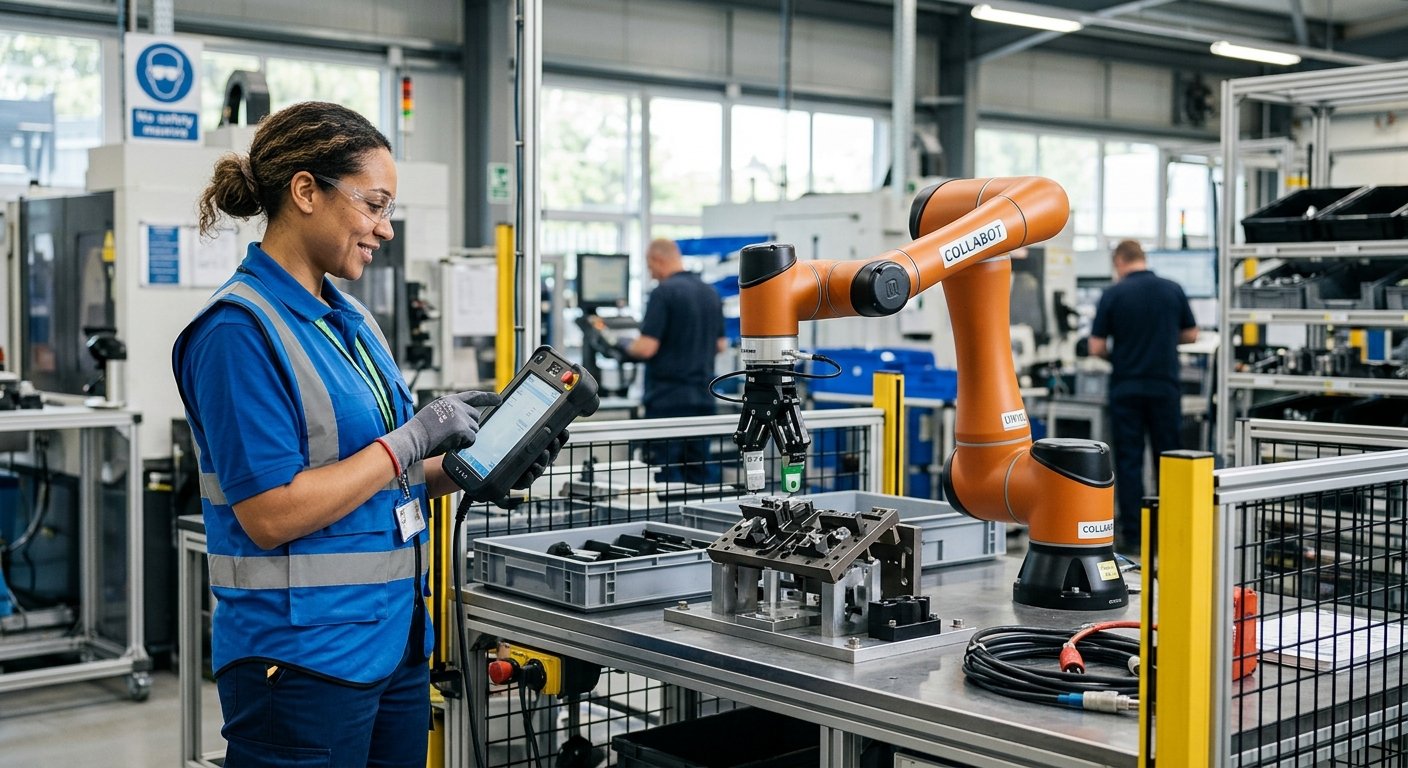
The company backs this up with habits that keep engineers close to customers. Engineers work trade shows, talk directly with operators, and watch people use the product. That firsthand view shapes future software and hardware in ways no spec sheet can.
This ties into a concern Matt raises about engineering education. In his view, it has become too theoretical. The next generation of robotics engineers needs far more hands-on experience, the kind that comes from getting your hands dirty and seeing how machines behave on a real floor.
Key Takeaways for Manufacturers
Robots work best when treated as tools that help people do their jobs.
Robots as a service lowers the risk of trying automation.
A consistent software layer makes fleets easier to manage.
Cloud connectivity enables fast updates, analytics, and remote support.
Staying focused on a defined set of problems beats chasing every opportunity.
Hands-on experience and curiosity make better robotic engineers.
Why This Episode Is Worth Your Time
If you still picture robotics as a complicated capital project reserved for high-volume production, this conversation will challenge you. Matt describes a world where automation is approachable, affordable, and shaped by the people who use it every day. He speaks like someone who has spent years on real plant floors, because he has. Whether you run a shop, build robots, or hire the people who do, you will walk away with ideas you can use.
It also shows what makes Machine Minds stand out. Greg guides the discussion from personal stories to big-picture trends, and the result is a conversation that feels practical and human.
About Your Host: Greg Toroosian and Samson Rose
Machine Minds is hosted by Greg Toroosian, CEO of Samson Rose. Greg works at the crossroads of robotics, AI, and hard tech, helping companies find the engineers and leaders who turn ambitious ideas into working products. Episodes like this one show why that vantage point matters. Matt’s hiring advice alone, from attitude to curiosity to hands-on skill, is the kind of insight growing robotics teams can use.
If your company is scaling and needs talent, Samson Rose is worth a conversation. And if you enjoy stories like this one, follow Machine Minds on your favorite podcast app.
Deepen Your Understanding of Collaborative Robotics
Explore More from Machine Minds and Hirebotics:
Listen to the Full Discussion: Head over to Spotify and Apple Podcasts for The Temp Agency for Robots with Matt Bush.
Analyze the Technical Architecture: Visit Hirebotic Beacon’s website to explore the Cobot Welder, the new Cobot Painter, and customer care studies.
Connect with the Speaker: To follow insights on collaborative robots, manufacturing automation, and robotics as a service, look up Matt Bush and Hirebotics on LinkedIn.