
Human-in-the-Loop: Inside Robotic Crew’s Multi-Tier Remote Infrastructure for Autonomous Fleets
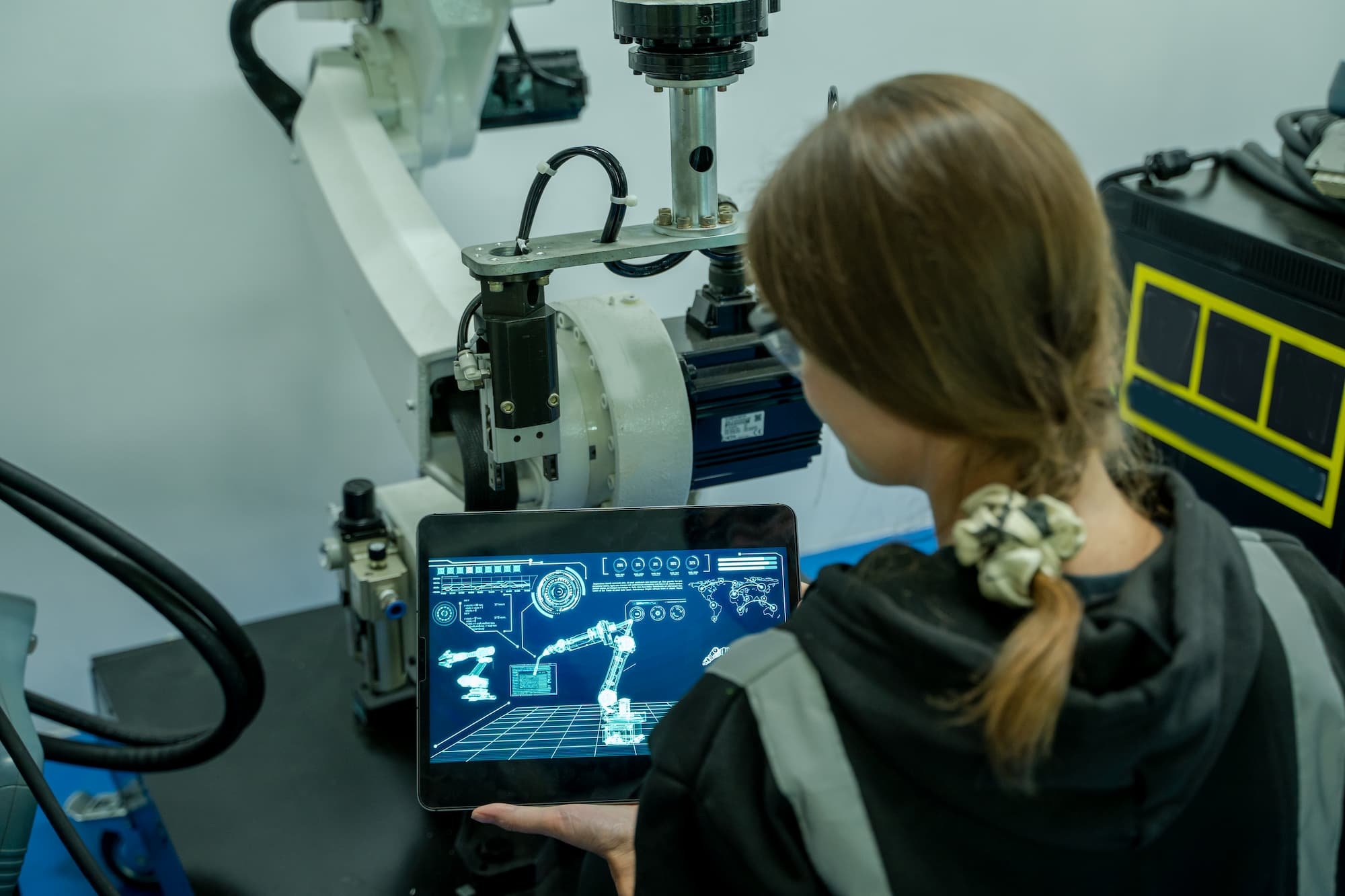
Operating a physical robotics fleet in real-world environments introduces technical operational challenges that software-only platforms do not encounter. When autonomous units transition from controlled development spaces into client facilities, front-line technical disruptions directly halt localized operations and revenue generation. In this environment, establishing a structured, multi-tier remote operations infrastructure with Robotic Crew is a critical factor for commercial viability.
In Episode 115 of The Machine Minds Show, host Greg Toroosian, founder of Samson Rose, meets with Richard Petrazzini, the Co-Founder and Co-Chief Executive Officer of Robotic Crew. They discuss the critical support bottlenecks facing high-growth robotics companies and the need to establish a scalable human-in-the-loop framework. The conversation explores how specialized remote support infrastructures and strategic nearshoring are essential to maintaining fleet reliability, optimizing product data feedback loops, and preventing costly operational downtime.
From Diagnostic Laboratories to Robotics Fleet Operations
The leadership at Robotic Crew is rooted in a personal history of industrial automation and large-scale operational management. Richard shares that he was raised as a third-generation biochemist, witnessing firsthand the evolution of medical laboratories from manual testing to fully automated facilities capable of executing ten thousand tests per day. This background instilled in Richard a deep understanding of how physical hardware must integrate with software to maintain 99.9% reliability in high-stakes environments.
After building one of the largest diagnostic laboratories in Argentina and co-founding a successful software development firm, Richard dedicated two years strictly to researching the operational gaps in robotics fleet management. This perspective drives his focus on building structured, multi-tier remote workforces that serve as a protective layer for United States robotics enterprises. By combining a former IBM software architect’s technical oversight with a rigorous financial governance model, he helps founders transition from prototype deployments to commercially sustainable fleets.
Technical Infrastructure Dependencies of Cloud-Connected Robots
Historically, industrial automation integrators operated within a highly controlled, conservative framework. Robots were permanently confined inside physical safety cages, personnel were barred from the operational envelope during active cycles, and the local network infrastructure was completely air-gapped from the external internet to prevent security vulnerabilities.
This traditional, isolated model is no longer viable due to modern requirements for data-driven optimization. To leverage advanced machine learning models and real-time fleet analytics, autonomous systems must maintain continuous connections to cloud environments for data processing and compute capacity. Simultaneously, the commercial drive to automate variable daily tasks has required robots to operate outside of protective enclosures.
This technological transition introduces two primary operational challenges that robotics providers must manage:
Cloud Connectivity Dependencies: Active fleet units must maintain stable, high-bandwidth data transfers over distributed networks, exposing operations to latency spikes, connectivity drops, and server-side disruptions.
Unstructured Environment Navigation: Autonomous machines must navigate dynamic public spaces—such as hospitality venues, corporate kitchens, and shared warehouse aisles—alongside untrained personnel who are unfamiliar with robotic operational boundaries.
Technical Personnel Hierarchy and Teleoperation Protocols
When a robotics startup expands past its fourth or fifth customer site, an operational bottleneck occurs. Upon reaching this threshold, the internal engineering team becomes entirely occupied with daily support tickets, minor software patches, and physical field anomalies. Because core developers are forced to manage urgent client complaints, they lose the capacity to focus on iterative product design, core software optimization, and hardware refinement.
To protect engineering resources and maintain operational efficiency, companies require a structured, multi-tier support hierarchy to systematically isolate development teams from front-line anomalies:
The Robotear: This role serves as the foundational entry level for personnel entering the robotics workforce. A robotear is an operator trained to utilize platform-agnostic fleet management software. This position does not require a formal engineering degree; instead, it requires competence in live fleet monitoring, basic teleoperation overrides, and standardized ticketing protocols.
Tier 1 Support: Staffed by active engineering students or recent graduates from mechanical, electrical, or software tracks who possess the technical foundations necessary to diagnose standard system alerts and evaluate live telemetry data.
Tier 2 Support: Composed of technology professionals and senior support engineers with up to a decade of technical troubleshooting experience who manage deep-dive diagnostics and hardware-software conflict isolation.
Tier 3 Support: Composed of specialized software engineers proficient in development languages such as Python, C++, and Rust, alongside domain experts in computer vision and machine learning models who actively patch deployment bugs.
Tier 4 & Tier 5 Support: At the enterprise tier, support structures scale to interface directly with product design, feeding recurring edge cases directly back into the hardware and mechanical design loop to improve future production models.
Time-Zone Synchronicity and Regional Talent Procurement
As the volume of deployed autonomous systems accelerates across the United States, domestic recruitment processes face a documented deficit in localized engineering and specialized robotics talent. While asynchronous offshoring models function effectively for standard software development or basic IT patching, they do not meet the real-time operational demands of physical robotics.
Because a stalled machine directly interrupts a client’s workflow, technical disruptions require immediate, real-time remediation during standard daylight working hours. This constraint makes geographic nearshoring in Latin America a distinct structural advantage over traditional technology hubs located in alternative time zones, such as India or Eastern Europe. By operating within matching or highly overlapping time zones, nearshore technical teams deliver synchronous support during active business hours.
Technical Upskilling Tracks and Talent Sourcing
Finding personnel who already possess years of direct experience with specific proprietary fleet optimization software is an unrealistic expectation in a nascent market. To resolve this procurement challenge, Robotic Crew implements a systematic screening and educational curriculum designed to bridge the technical gap. The team targets high-potential software engineers, cloud infrastructure technicians, and hardware specialists who already hold robust foundational capabilities in systems engineering.
Once selected, these professionals enter a specialized academy path where they are trained in platform-agnostic telemetry tracking, latency mitigation, remote diagnostic logic, and live teleoperation override protocols. This approach allows United States enterprises to tap into a highly disciplined, pre-vetted technical talent pool that can immediately integrate into existing internal tracking channels without requiring months of foundational oversight from the client's internal management team.
Operational Runway Optimization and Data Integrity Protection
Utilizing a dedicated nearshore partnership allows scaling firms to achieve up to 40% cost savings compared to domestic hiring, directly extending their financial runway. However, the primary value of this operational model extends beyond basic budget metrics to solve two critical operational vulnerabilities that impact scaling:
1. Shift Redundancy and Uptime Management
Maintaining continuous coverage for a standard Monday-to-Monday operational shift requires substantial organizational infrastructure. Due to routine human variables such as sick leave, personal emergencies, or scheduled vacations, a single active monitoring slot typically requires a rotating pool of up to 15 trained professionals to ensure absolute fleet uptime. Outsourcing this infrastructure completely removes the burden of shift coordination, recruitment, and redundancy planning from the startup's internal management.
2. Retention of Diagnostic Fleet Analytics
To prevent outsourcing from creating an information barrier, the support infrastructure must function as an informational filter rather than an isolated silo. By enforcing rigorous root-cause tracking, identifying asset-specific faults, and documenting real-world field overrides, the nearshore layer converts unstructured troubleshooting into structured analytics. This data is fed directly back to the client's Customer Success Managers and core developers, providing total process traceability to isolate and patch underlying software bugs.
Case Study: Support Standardization at Remy Robotics
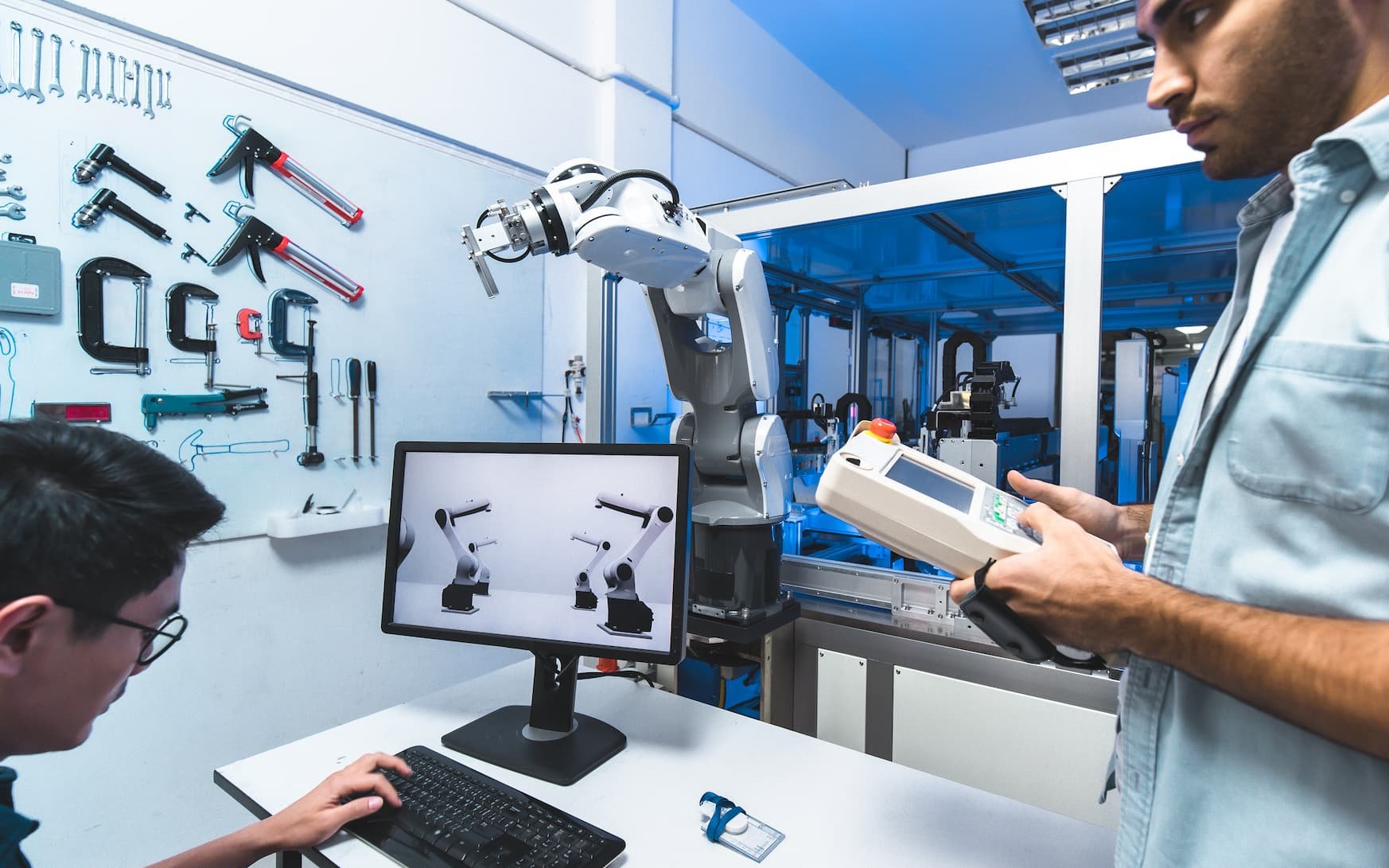
The practical execution of this structured approach is demonstrated by the commercial scaling of Remy Robotics. Operating autonomous culinary kitchens, the company utilizes a complex hardware and software stack, featuring industrial Universal Robots robotic arms running alongside an interconnected network of internet-of-things sensors regulating smart refrigeration systems, specialized cooking units, and automated high-precision ovens.
When scaling past its initial two to three kitchens, customer support duties were handled informally by the core software development team without structured ticketing frameworks or documentation protocols. Consequently, digital incident records were left unmanaged, tickets remained open for extended periods, and the company lacked the clear data traceability required to isolate recurring localized defects.
By embedding a dedicated nearshore support layer to manage fleet telemetry and standardize incident tracking, the operational framework was completely modernized. The implementation of standardized protocols for the Time of Acknowledgment and the Time of Resolution resulted in a documented 40% to 50% improvement in overall response velocity, with baseline diagnostic response times improving by approximately 90%. This transition successfully freed internal engineers to focus entirely on core product development.
Scaling Towards the Five-Year Horizon
When looking toward the next five years, the operational paradigm of the robotics industry will shift from localized proofs-of-concept to ubiquitous global deployments. Richard notes that as autonomous platforms enter the corporate landscape at scale, the reliance on ad-hoc, internal developer support will become a leading cause of operational failure. The companies that dominate the market over the next half-decade will be those that separate core engineering from daily remote fleet operations early in their growth lifecycle.
Robotic Crew’s long-term vision centers on becoming the standardized infrastructure backbone for this worldwide transition. Over the next five years, the firm aims to continuously expand its specialized talent incubation pathways across Latin America, anticipating the massive demand for standardized, tier-structured technical human-in-the-loop workforces to serve as the premier enablement partner for hundreds of active fleets across North America.
Technical Operational Checklist for Robotics Founders
Transitioning from a localized prototype to a distributed commercial fleet requires a structured approach to operational uptime. Based on the insights from this episode, founders should evaluate their current support infrastructure against these four operational benchmarks:
Isolate Core Developers: Ensure that front-line field alerts are managed by a dedicated tier of operators rather than consuming the time of your primary software engineers.
Verify Time-Zone Synchronicity: Confirm that your remote monitoring infrastructure operates in real-time synchronicity with your clients' active business hours to prevent prolonged operational stalls.
Enforce Process Traceability: Require your support team to log and structure field anomalies into actionable diagnostic data that can be used directly by product development teams for hardware and software iteration.
Optimize Capital Efficiency: Leverage strategic regional talent procurement to extend your operational runway while maintaining strict 24/7 or Monday-to-Monday shift redundancy.
Deepen Your Understanding of Fleet Orchestration
Explore More from Machine Minds and Robotic Crew:
Listen to the Full Discussion: Access Building the Future of Robotic Workforce Enablement with Richard Petrazzini here.
Analyze the Technical Framework: Read the detailed operational overview and service capabilities directly on the Robotic Crew Enterprise website.
Connect with the Guest Speaker: To discuss nearshore robotics operations, technical upskilling tracks, and fleet uptime strategies, visit the profile of Richard Petrazzini on LinkedIn.
Align Your Talent Strategy with Commercial Scale
At Samson Rose, we recognize that scaling a deep tech or robotics enterprise requires more than just exceptional engineering it demands operational leaders who understand how to keep physical automation active in the real world. Whether you are building a human-in-the-loop remote infrastructure or expanding your technical leadership layer, we connect high-growth firms with the industry's premier operational talent.
Looking for Your Next Leadership Role? Discover specialized opportunities within the automation sector by exploring the Samson Rose Talent Portal.
Ready to Optimize Your Fleet Infrastructure? Contact our executive search team today to Partner with Samson Rose.