

The Blog
From

Discover diverse topics, expert insights, and captivating narratives in our thought-provoking blog collection.
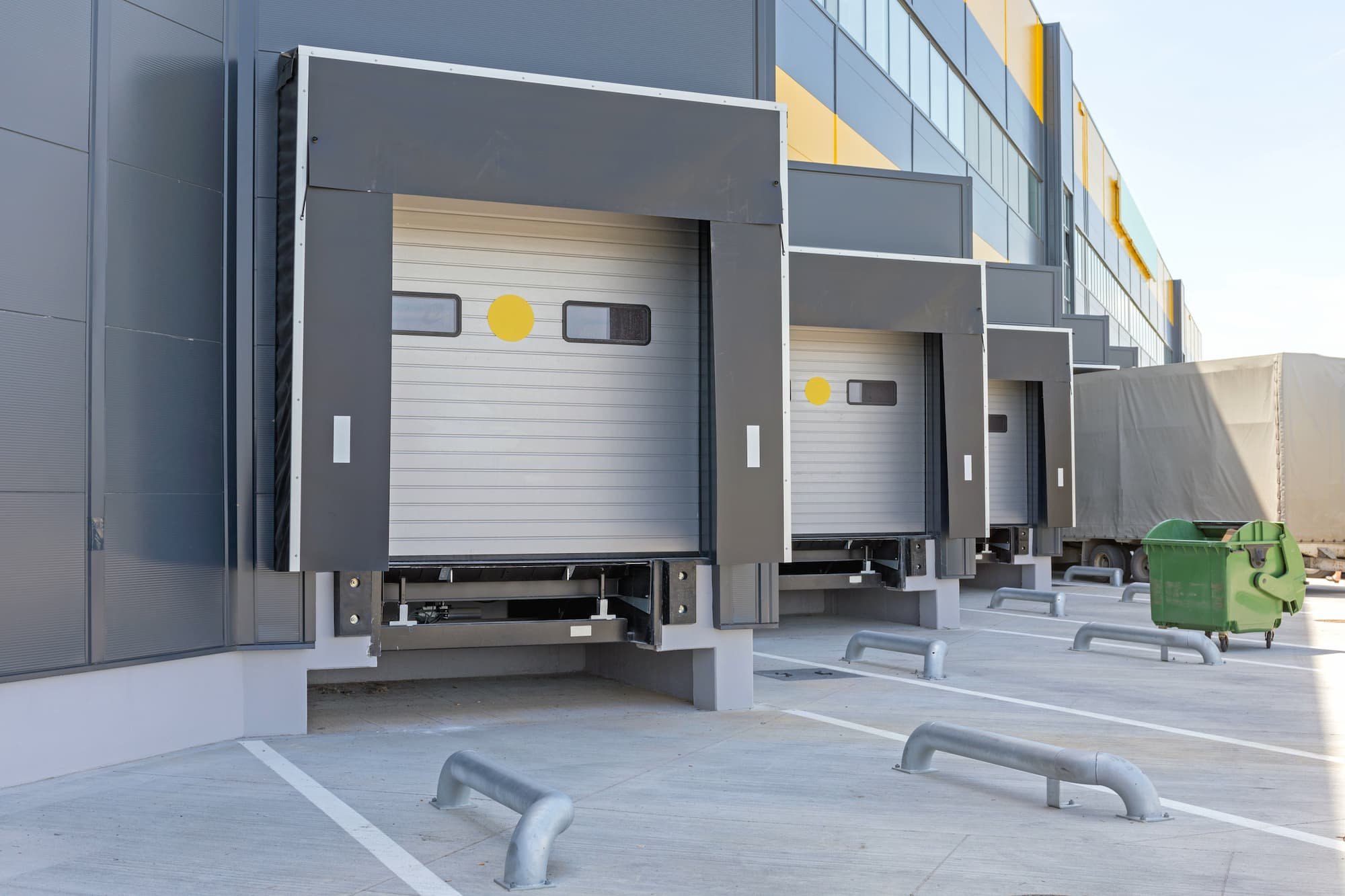
Slashed Turn Times: How Slip Robotics Automates the Loading Dock
While warehousing has experienced technological modernization, the loading dock remains a manual operational bottleneck. Traditional logistics models force transport fleets to sit idle for hours during trailer loading and unloading, limiting throughput and driving up detention fees. One of the companies that introduces high-payload mobile robots that pre-stage entire freight loads is Slip Robotic, whose operations can reduce trailer turn times from hours to minutes.

From Code to the Clinical Floor: How Omnicell is Building the Autonomous Pharmacy of the Future
The modern healthcare sector faces severe labor shortages and operational strain, requiring highly trained professionals to dedicate critical working hours to manual logistics. Transitioning hospital pharmacy frameworks from manual processes into software-driven, autonomous ecosystems addresses these inefficiencies. By implementing advanced robotics and physical intelligence at the institutional scale, healthcare providers optimize medication tracking, minimize systemic product waste, and allow specialized clinical staff to refocus entirely on direct patient care.
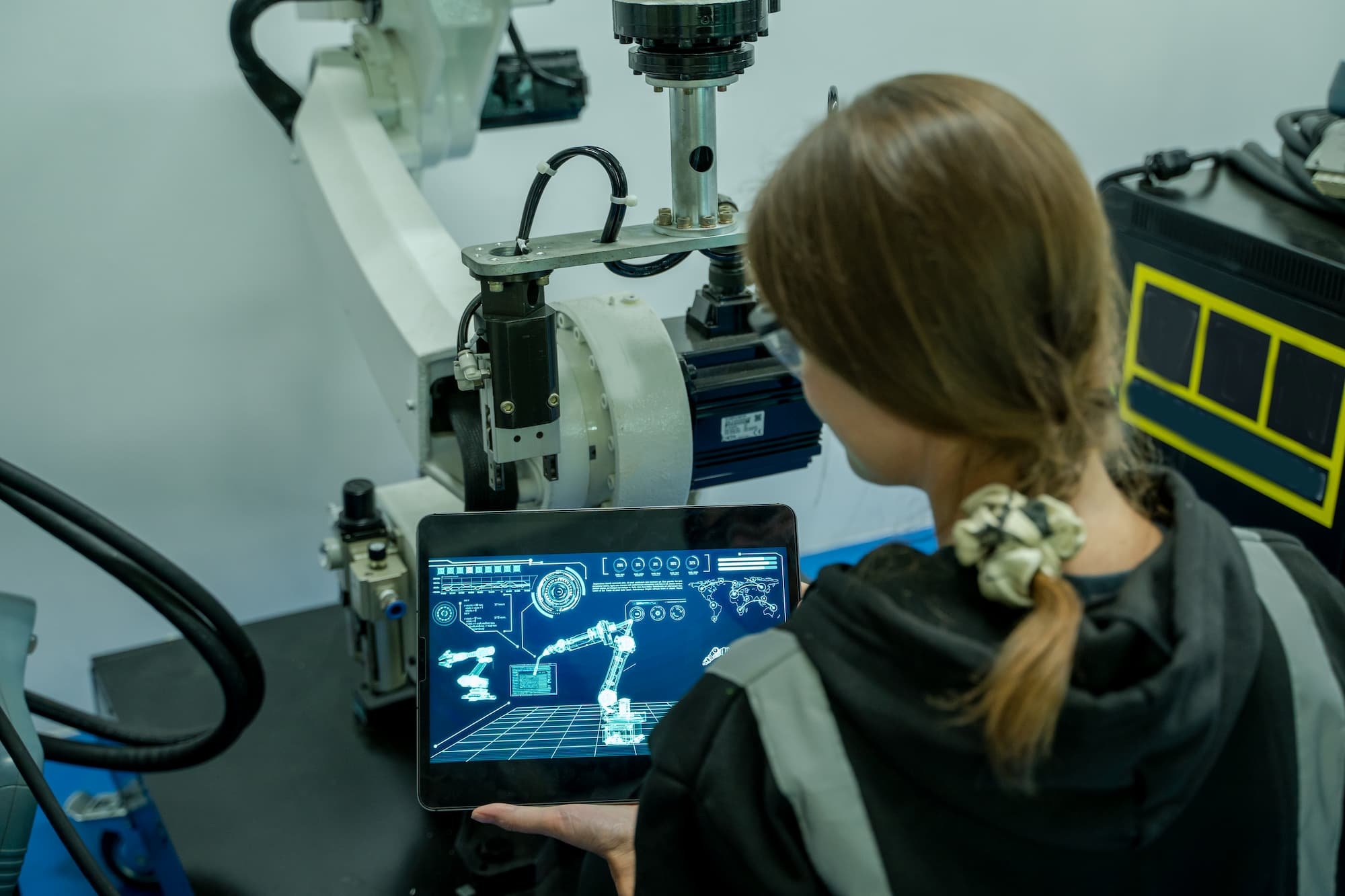
Human-in-the-Loop: Inside Robotic Crew’s Multi-Tier Remote Infrastructure for Autonomous Fleets
Operating a physical robotics fleet in real-world environments introduces technical operational challenges that software-only platforms do not encounter. When autonomous units transition from controlled development spaces into client facilities, front-line technical disruptions directly halt localized operations and revenue generation. In this environment, establishing a structured, multi-tier remote operations infrastructure with Robotic Crew is a critical factor for commercial viability.
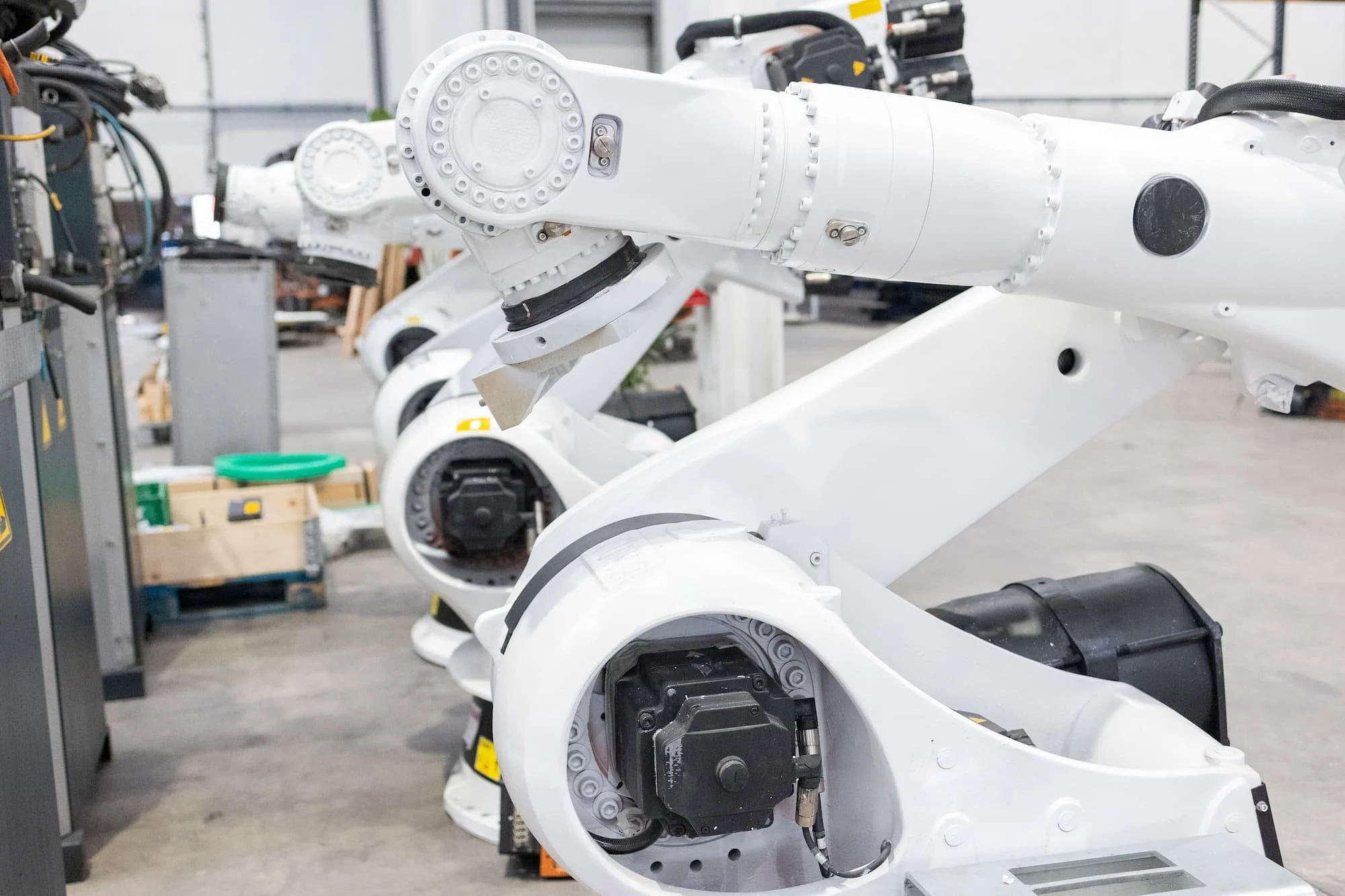
Scaling Robotics via Standardized Functional Safety: Inside the Nex COBOT Strategy
The transition from a laboratory prototype to a functional industrial solution requires more than engineering expertise. It requires a strategic focus on partnerships, hardware reliability, and an understanding of the end-user’s operational requirements. Nex COBOT addresses these challenges by providing functionally safe computing platforms that allow robotics companies to focus on their unique software stacks rather than rebuilding foundational hardware from the ground up.
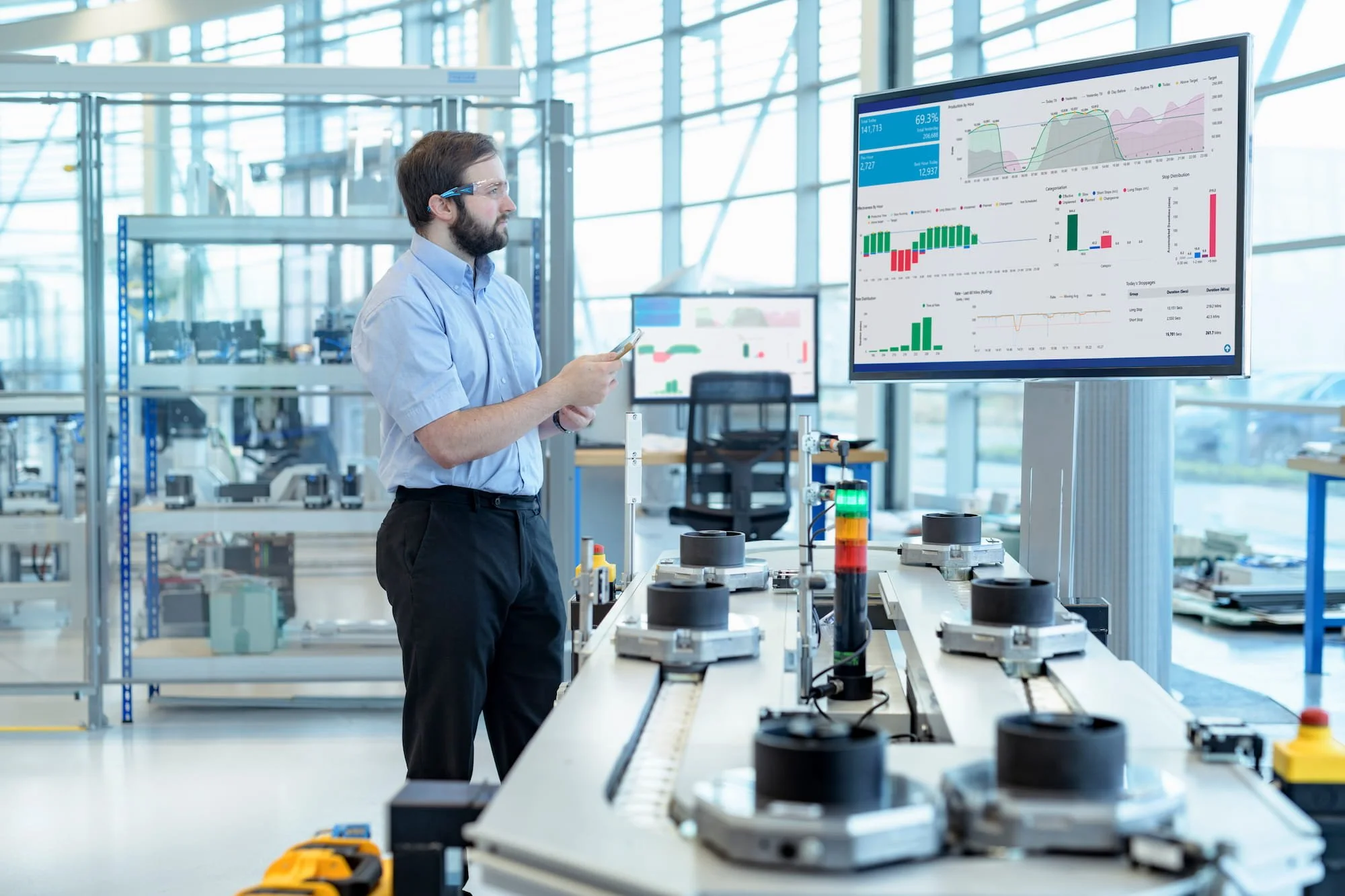
How FF Venture Capital Evaluates Product-Market Fit in the Deep Tech Sector
Scaling a robotics company requires a capital strategy that accounts for the high costs of hardware development and the long timelines of industrial deployment. FF Venture Capital focuses on identifying mechatronics and AI startups that solve specific labor shortages rather than those that simply build advanced technology. By analyzing the unit economics and the utility of autonomous systems, the firm helps founders transition from academic research to commercial viability.
Scaling High-Precision Automation: Inside Raise Robotics and the Challenge of "Physical AI"
The global construction market reached a valuation of $14.45 trillion in 2025, yet it remains one of the least automated sectors in the modern economy. Raise Robotics is closing this efficiency gap by deploying autonomous systems designed to deliver sub-inch accuracy in environments where variables change by the hour. By translating complex digital intent into precise physical actions, the company is securing the structural integrity of the next generation of skyscrapers.