
Scaling Robotics via Standardized Functional Safety: Inside the Nex COBOT Strategy
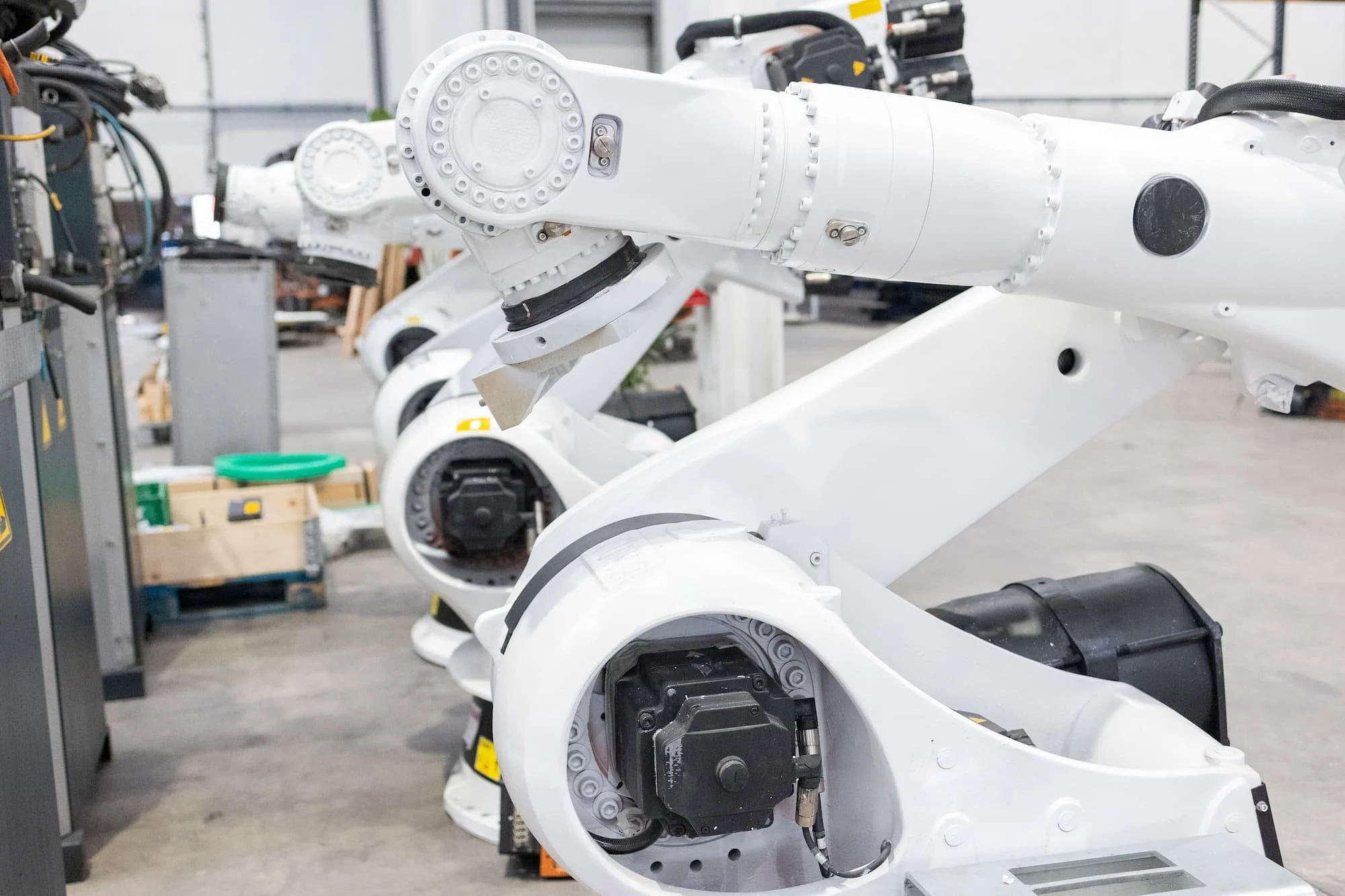
The transition from a laboratory prototype to a functional industrial solution requires more than engineering expertise. It requires a strategic focus on partnerships, hardware reliability, and an understanding of the end-user’s operational requirements. Nex COBOT addresses these challenges by providing functionally safe computing platforms that allow robotics companies to focus on their unique software stacks rather than rebuilding foundational hardware from the ground up.
In Episode 114 of The Machine Minds Show, host Greg Toroosian, founder of Samson Rose, speaks with Milt Walker, Director of Business Development at Nex COBOT. They discuss the necessity of shifting from customization to configuration to achieve scalability, the importance of alignment in professional partnerships, and the role of safety standards in driving technical innovation. Milt also shares insights from his role in building the Robo Georgia ecosystem and the unique challenges of bridging the gap between Taiwan-based manufacturing and U.S. market needs.
From Jedi Dreams to Amateur Astrophotography
The career of Milt is driven by a lifelong fascination with how things move and communicate. As a child, he combined a desire to be a hardware builder with a dream of being a Jedi. Today, that creative energy is channeled into amateur astrophotography, where he spends his nights capturing high-precision images of the deep sky. He views robotics through this same lens of precision and wonder, believing that automation should exist to offload "grueling" labor so humans can pursue more authentic and creative ventures.
His professional foundation was built in a local computer store during high school, where he built 286 and 386 systems for medical offices. This early exposure to small-town entrepreneurship, combined with the influence of his father, who was also a business owner, steered him toward a career that blends technical engineering with business strategy. He pursued a Computer Engineering Technology degree at RIT (Rochester Institute of Technology) specifically because the program focused on the hands-on application of technology.
The Strategy of Configuration Over Customization
A primary hurdle for robotics startups is the Proof of Concept (POC) death cycle, where companies spend years proving a technology works without ever reaching a scalable commercial model. Milt argues that the key to overcoming this is moving toward a configuration-based approach.
Defining Configuration: Rather than building a unique, customized solution for every client, founders should develop a flexible platform that can be configured to meet specific needs. This prevents the constant rebuilding of hardware and allows for faster deployment across different industries.
Meeting Industrial KPIs: Success in the lab does not guarantee commercial success. Milt emphasizes that a robot must meet the specific Key Performance Indicators (KPIs) of the end customer, such as a 99% uptime or a specific beat rate in a manufacturing line. If a system fails at even a 1% error rate in a shipyard, it is not a viable product.
Narrowing the Strategic Focus: Strategy involves choosing what not to do. Milt advises that early-stage companies should focus on hitting a "fastball" consistently rather than trying to service every possible use case.
Functional Safety and the Renesas Partnership
As robots move out of cages and begin working alongside humans, functional safety becomes the most critical component of the hardware stack. Nex COBOT partners with silicon providers like Renesas to build platforms that have a low risk of failure.
The Role of the Safety MCU: By using Renesas safety microcontrollers (MCUs), Nex COBOT ensures that the underlying platform meets the rigorous safety requirements needed for industrial environments. This hardware layer acts as the "referee," ensuring the robot halts before a human is harmed.
Standardization as a Catalyst: Milt views safety standards, such as the upcoming IEC 22440 for AI in safety, as creative constraints. Just as a limited number of Legos forces a builder to be more creative, safety regulations force engineers to innovate within a framework that protects workers.
The "Alignment" Principle: In business development, Milt looks for alignment between a partner's "why" and his own. He avoids transactional relationships in favor of deep technical collaborations that solve long-term safety challenges.
Recruitment and the Search for "Bridge" Talent
A significant portion of the discussion focuses on the specialized recruitment needed to scale a global robotics firm. As the first U.S. employee for Nex COBOT, Milt highlights the difficulty of finding professionals who can navigate the cultural and technical gap between Taiwan-based manufacturing and U.S. market expectations.
The Need for Multidisciplinary Leaders: Greg and Milt discuss how the most valuable hires are those who understand the "mechatronics" of a machine but can also speak the language of business development. Finding an engineer who can also navigate a boardroom is a major challenge in the current market.
Building the Ecosystem: Through Robo Georgia, Milt is working to create a talent pipeline that connects local engineers with global manufacturers. He was inspired by a symposium in Greenville, South Carolina, and realized that Georgia needed a similar hub to cultivate its own automation ecosystem.
The "Buy vs. Build" Talent Strategy: Just as companies must decide whether to buy or build their hardware, they must decide whether to train internal staff or hire specialized external leaders to manage their automation transition.
Moonshots: From Nano-Robotics to Replicators
When discussing the ultimate future of the industry, Milt looks toward the "molecule up" approach to manufacturing. He expresses a deep interest in nano-robotics and the potential for 3D printing on a molecular scale.
Inspired by science fiction, Milt imagines a future where robots are built at the molecular level, allowing for unprecedented precision in medical applications.
He also mentions reaching out to the XPRIZE community to advocate for a "Star Trek Replicator" prize. This moonshot involves creating technology that can assemble complex items on demand, shifting the global supply chain from shipping physical goods to shipping digital designs
Milt’s Career Tips: Moving from Engineering to Strategy
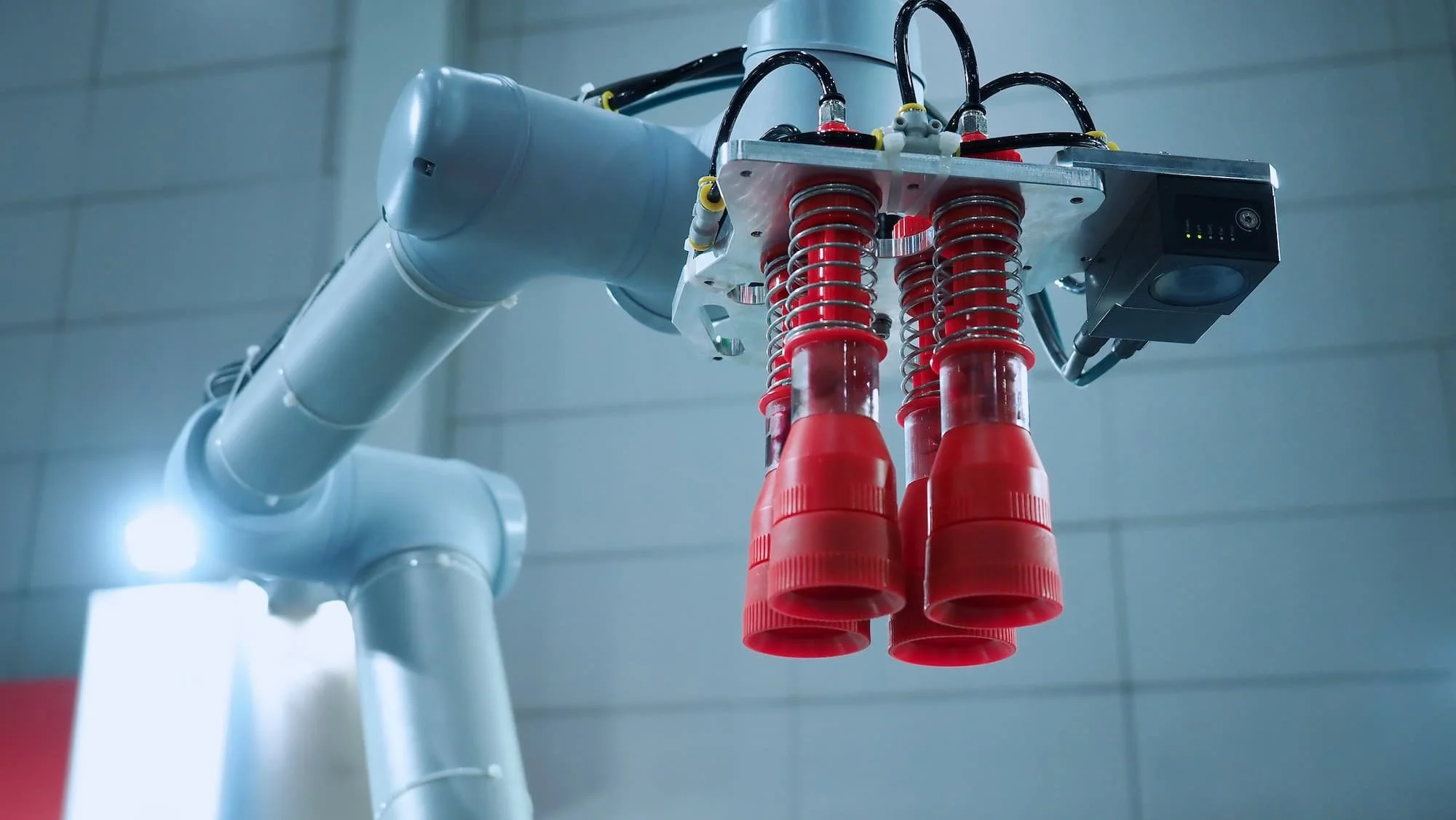
For technical professionals looking to pivot into business development or leadership, Milt shares several practical insights based on his own transition from engineering at Intel and SICK to his current strategic role.
You should build a Diverse Network that extends beyond your immediate engineering discipline. Business development is a "partnerships game," and connections with funders and startup founders provide a broader perspective on market needs.
You must remain in "Constant Learning Mode." Every interaction with a customer is an opportunity to gather intelligence on shifting industry requirements.
You can practice Decision Velocity. Milt reflects that being bolder and faster with technical and career decisions is a key trait of successful leaders. He advises against waiting for absolute certainty, which can lead to missed market windows.
The Five-Year Horizon: Software Positioning and Authentic Work
Greg and Milt reflect on how the last five to eight years of investment have pushed companies to position themselves as software entities to secure better pricing. However, Milt's vision for the next five years is one where the hardware "just works" as a reliable commodity, allowing the industry to move past the humanoid hype and into functional, safe deployments.
He hopes his work with Nex COBOT will have offloaded the grueling aspects of labor, allowing individuals to spend more time on "creative ventures" and "authentic" human interaction. His goal for the coming years is "Human-Centric Automation," in which robots serve as the infrastructure that enables a new era of human creativity.
Actionable Insights for Robotics Founders
You should prioritize Alignment over Transactions by ensuring your partner’s core values align with your long-term safety objectives.
You must adopt a Configuration mindset to avoid the resource drain of customization and ensure your product is ready for mass scaling.
You can leverage Ecosystem Networks by participating in regional organizations like Robo Georgia to find funders and partners.
You should focus on Decision Velocity by being bolder in your technical choices earlier in your career.
Connect and Explore
Connect with Greg Toroosian and the Machine Minds Team. Follow Greg Toroosian on LinkedIn for daily insights on robotics and AI. Subscribe on YouTube or Apple Podcasts.
Listen to the full Episode 114 of The Machine Minds Show here: Bridging Hardware Innovation and Business Strategy in Robotics with Milt Walker
Connect with Nex COBOT:
Track Milt Walker on LinkedIn for updates on industrial automation.
Explore solutions at the Nex COBOT website.
Optimize Your Technical Leadership with Samson Rose
At Samson Rose, we identify the specialized talent required to bridge the gap between complex robotics engineering and commercial business strategy.
If you are seeking a new executive role, you can explore our current list of opportunities by visiting the official Samson Rose website.
If you need to build a high-performance mechatronics team, you can schedule a consultation with our recruitment experts through our online contact form.