
The Ultimate Guide to Recruiting Talent in the Robotics Industry
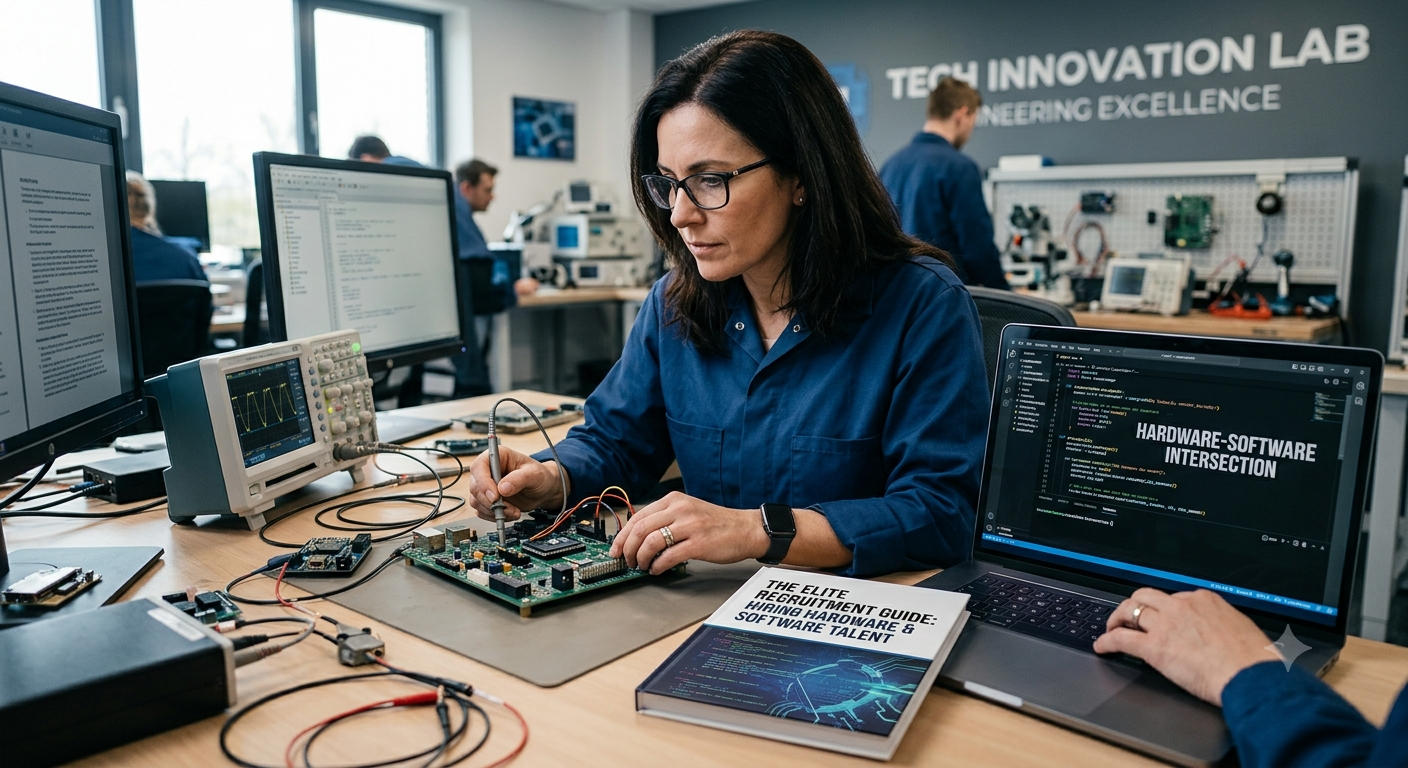
Robotics recruitment requires specialized technical screening, access to passive candidate networks, and recruiters who understand hardware, software, and AI integration well enough to evaluate real expertise.
Robotics companies are growing faster than the talent pool that supports them. Warehouse automation, surgical robotics, autonomous vehicles, and industrial AI systems have all moved from research labs into commercial products in the span of a few years, and every one of those companies needs engineers, roboticists, and technical leaders who understand both the hardware and the software layers involved.
This is where robotics recruitment becomes its own discipline rather than a subset of general tech hiring. A recruiter who can source a backend developer isn't automatically equipped to evaluate someone's experience with motion planning, sensor fusion, or embedded systems. Getting this wrong costs companies months of delay on product timelines that are already tight. Getting it right means building a team that can actually execute on what the roadmap promises.
Related Article: Strategies for Recruiting Partners in Tech Companies for Effective Hiring
What Makes Recruiting in the Robotics Industry Different?
Robotics sits at the intersection of several disciplines, and that overlap is exactly what makes hiring for it so hard.
The Talent Pool Is Small and Highly Specialized
Unlike general software engineering, robotics talent often comes from a narrow set of research labs, universities, and companies that have actually shipped physical products. There simply aren't as many people with hands-on experience integrating hardware and software into a working system, and most of them are already employed somewhere competitive.
Roles Require Cross-Disciplinary Expertise
A strong robotics candidate frequently needs to understand mechanical engineering, embedded systems, computer vision, and machine learning at the same time. Few candidates check every box perfectly, which means recruiters have to understand which combination of skills actually matters for a given role rather than screening for a mythical unicorn.
Hiring Timelines Run Longer
Because the pool is smaller and the vetting is more technical, robotics searches typically take longer than a standard software hire. Companies that don't plan for this timeline often end up either settling for a weaker candidate or leaving critical seats open for months.
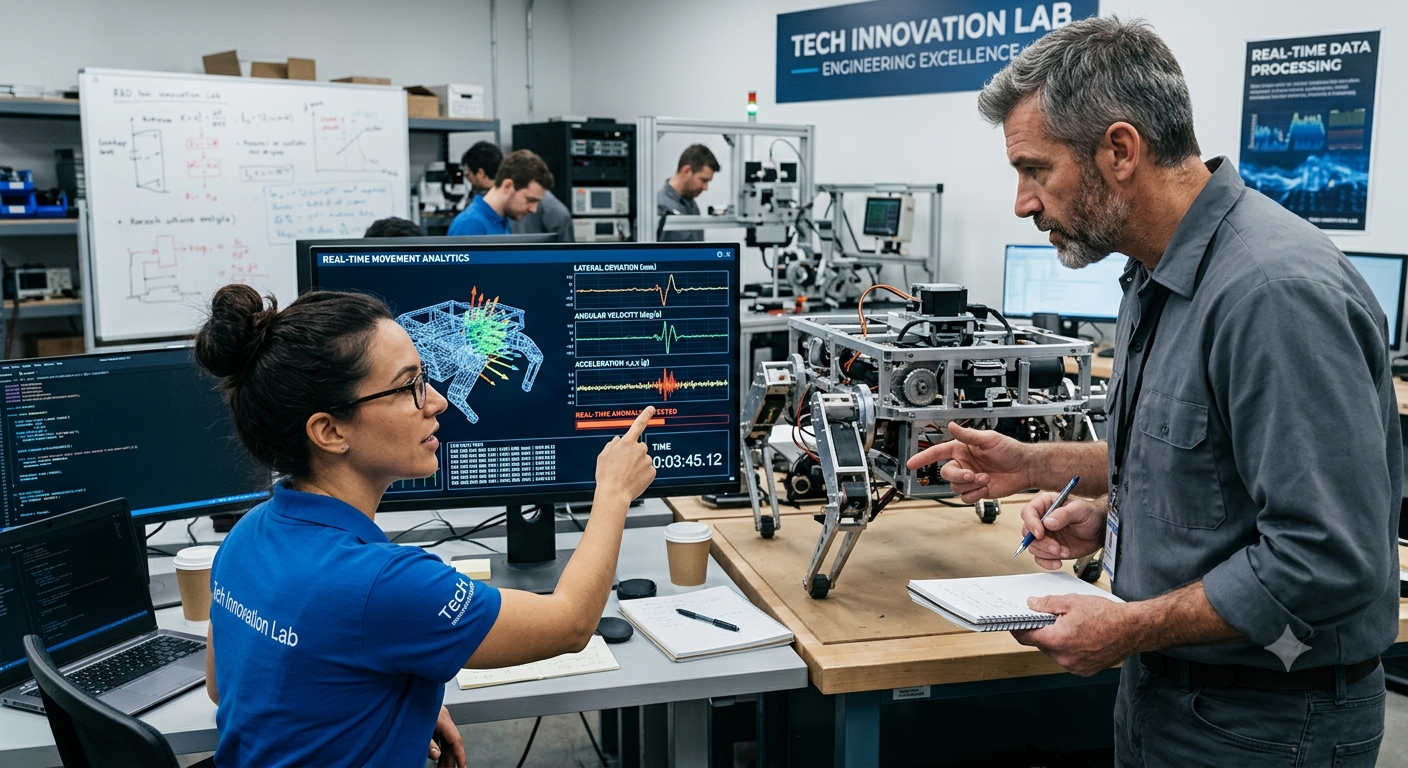
The Most In-Demand Robotics Roles Companies Need to Fill
Certain roles come up again and again across robotics and advanced technology companies, and each one requires a different sourcing approach.
Robotics Engineers and Roboticists
These are the generalists who design, build, and test robotic systems from the ground up. Strong candidates usually have direct experience with a physical product that made it out of the prototype stage.
Machine Learning and Computer Vision Specialists
As robots become more autonomous, the demand for engineers who can build perception systems and decision-making models has grown sharply. This talent overlaps heavily with the broader AI hiring market, which makes competition even tighter.
Embedded Systems and Firmware Engineers
Every robot needs software that runs directly on hardware, and engineers who understand real-time constraints and low-level programming are consistently hard to find.
Technical Leadership: Directors, CTOs, and Chief AI Officers
Beyond individual contributors, robotics companies need leaders who can translate a research vision into a shippable product and manage teams that span mechanical, electrical, and software disciplines.
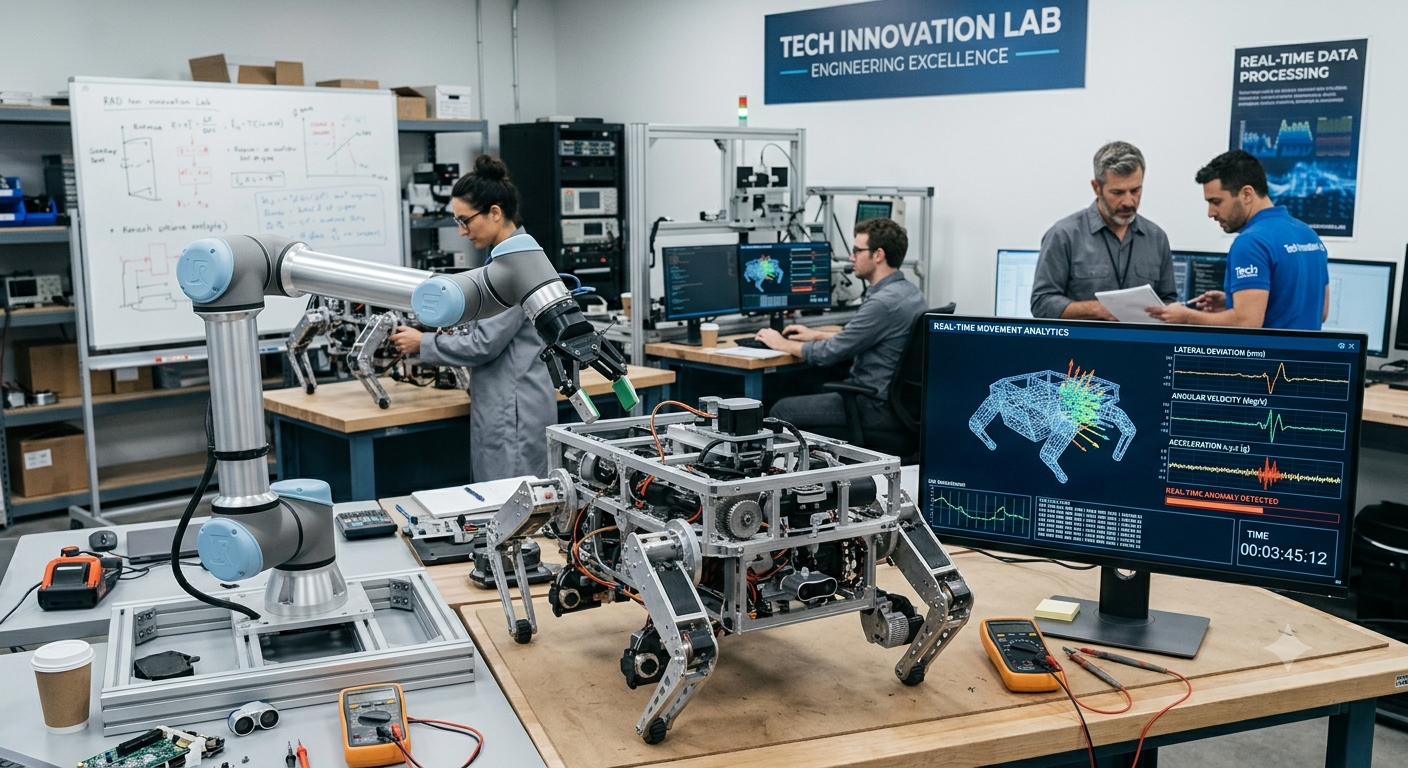
Skills and Qualifications to Look for in Robotics Candidates
Resumes in this field can be misleading if you don't know what to look for. A candidate who has only worked on simulations may look impressive on paper but struggle when a robot behaves unpredictably in the real world.
Hands-On Systems Experience
Look for candidates who have worked on integration, meaning they've had to make hardware and software actually talk to each other, not just design one piece in isolation.
Problem-Solving Under Physical Constraints
Robotics engineers regularly deal with problems that don't exist in pure software, like latency, power limits, and mechanical wear. Candidates who can speak specifically about how they solved these kinds of constraints tend to perform better on the job.
Related Article: How to Hire Robotics Engineers for Complex, High-Stakes Projects
Communication Across Disciplines
Because robotics teams are inherently cross-functional, the ability to explain a technical decision to a mechanical engineer, a software developer, and a business stakeholder in the same meeting is a genuinely rare and valuable skill.
Where to Find Top Robotics Talent
The strongest robotics candidates are rarely browsing job boards, which means sourcing has to go beyond posting a listing and waiting.
University Research Labs and Robotics Programs
Programs with strong robotics departments often produce graduates and postdocs with hands-on project experience well before they enter the job market.
Industry Conferences and Competitions
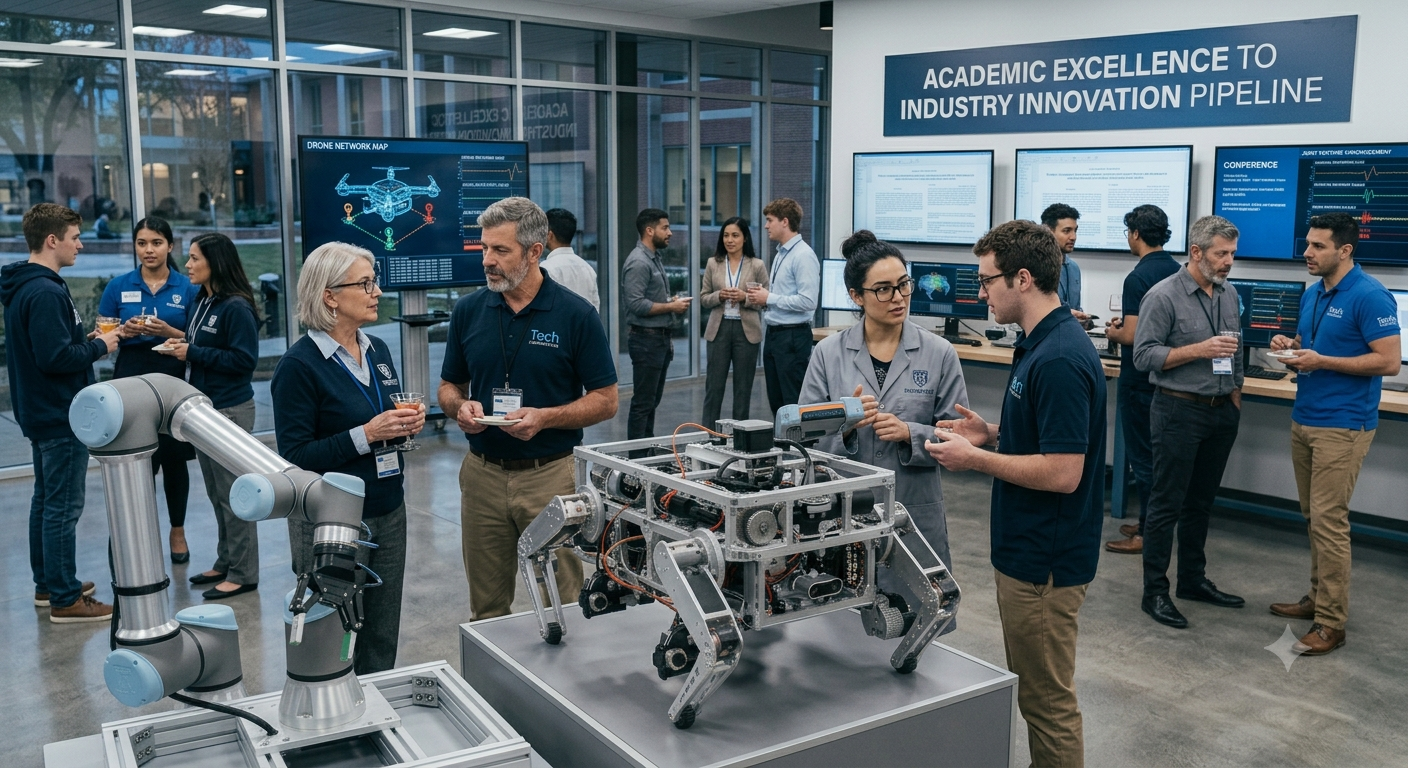
Events focused on robotics and automation are where a lot of serious practitioners show up, present work, and network, making them valuable sourcing ground for recruiters willing to attend.
Passive Candidate Networks
Many of the best robotics engineers are currently employed and not actively looking. Recruiters with long-standing relationships in the space can reach these candidates directly instead of waiting for them to apply.
Common Challenges When Recruiting Robotics Talent
Even companies with strong employer brands run into the same recurring obstacles.
Competing Against Well-Funded Tech Giants
Large companies can offer compensation packages that smaller robotics startups simply can't match dollar for dollar, which means the pitch has to shift toward mission, ownership, and technical challenge instead of just salary.
Misjudging Technical Fit
Without a recruiter who understands the domain, it's easy to advance candidates who interview well but lack the specific hands-on experience the role actually requires.
Long Search Timelines Draining Internal Resources
When an internal team tries to run a specialized search without outside help, the process often pulls engineering leaders away from their actual jobs for months at a time.
How Executive Search Firms Help Robotics Companies Scale Faster
Specialized firms bring three things that internal teams usually can't replicate on their own.
Deep, Pre-Vetted Networks
Executive search firms focused on robotics and AI maintain relationships with technical leaders and specialists over years, which shortens the time it takes to build a credible shortlist.
Technical Screening Before Introductions
A good search partner filters out candidates who don't have the real hands-on experience a role requires before a hiring manager ever spends time on an interview.
Support Through the Entire Hiring Process
From the first consultation through offer negotiation and final placement, an experienced firm keeps the search moving and helps close candidates who might otherwise accept a competing offer.
Build a Stronger Robotics Team with the Right Recruitment Strategy
Robotics recruitment isn't a smaller version of tech hiring. It requires recruiters who understand the physical and technical realities of building robots, not just reading a resume for keywords. Companies that treat it as a specialized discipline, rather than a generic hiring exercise, tend to build stronger teams and hit product milestones faster.
Samson Rose was built specifically for this challenge. The firm works with businesses in robotics, artificial intelligence, and advanced technology to fill roles that are difficult to hire for anywhere else, including senior leaders, Directors, C-suite executives such as CTOs and Chief AI Officers, and technical specialists with rare, in-demand expertise. From initial consultation through final placement, Samson Rose focuses on genuine technical fit and long-term retention over speed alone.
If your company needs a recruitment partner who understands the technology you're building and the people it takes to build it, reach out to Samson Rose through samsonrose.com/contact.
Frequently Asked Questions
-
The talent pool is small because robotics requires cross-disciplinary expertise, and most experienced candidates are already employed at competitive companies rather than actively job hunting.
-
Working with a recruiter who has an existing network of pre-vetted technical talent shortens the search significantly compared to starting from scratch with job postings alone.
-
Smaller companies can compete by emphasizing ownership, mission, and hands-on technical challenges, since not every strong candidate is motivated purely by the highest salary offer.
-
Expanding beyond your local market often opens access to a much deeper talent pool, especially for highly specialized roles where local candidates alone may not be sufficient.
-
Expect a structured process that starts with understanding your specific technical needs, followed by a pre-screened shortlist of candidates and support through interviews, offers, and final placement.