
The Unconventional Path to Autonomy: Bedrock Robotics’ Mission to Transform Construction
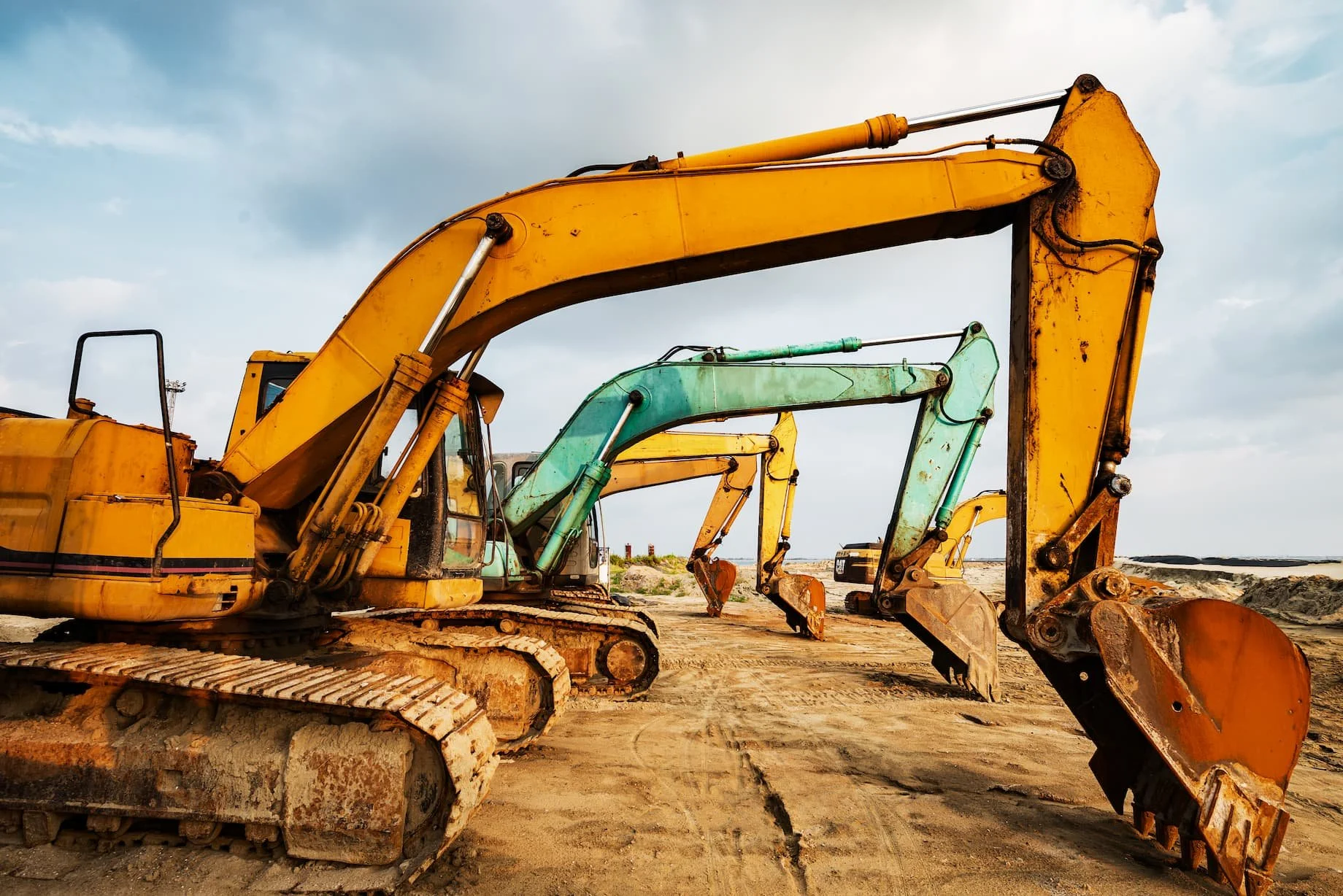
The construction industry is at a critical inflection point, facing unprecedented global demand for housing, massive energy infrastructure projects, and rapidly expanding data centers. This demand requires a technological transformation that traditional methods cannot meet. Bedrock Robotics, led by veterans from autonomous vehicle pioneers, is directly tackling this challenge by introducing an advanced autonomy platform for heavy construction equipment. The company's unique strategy focuses on retrofitting the giant pool of existing machines in the field, employing an uncompromising approach to safety and talent to unblock critical, stalled projects across the nation.
On Episode 107 of The Machine Minds Show, hosted by Greg Toroosian, Founder of Samson Rose, we had a fascinating conversation with Kevin Peterson, the visionary Co-founder and Chief Technology Officer of Bedrock Robotics. Kevin shares his 20-year journey from building self-driving cars and moon landers to leading autonomy at Waymo and now building machines that can literally move mountains. This conversation dives deep into the realities of building technology that transforms the physical world.
Kevin Peterson: From Psychology to CTO of Bedrock Robotics
While Kevin starts his mornings fueled by coffee, a simple necessity he humorously notes he cannot live without, he mentioned that his professional path was built on a childhood foundation that began with him spending time in the physics lab with his professor father, cultivating a relentless drive to build things. Although he briefly entertained the idea of becoming an astronaut, his true calling was robotics. This drive was so strong that he abandoned his initial pursuit of psychology in college, switching his major to electrical engineering after realizing he was constantly skipping classes just to build personal projects on the side.
His career truly launched when Professor Red Whitaker published a poster of a "dune buggy flying through the air in the desert with lasers on it," recruiting for the first self-driving car project, the DARPA Grand Challenges. That electrifying experience led him on a 20-year journey through the evolution of robotics, providing him with diverse, high-level lessons across various ventures, all contributing directly to Bedrock’s current strategy:
Astrobotic (Moonlanders)
Taught him that a long-term "magic" vision must be paired with an executable short-term plan to survive long, unpredictable technological timelines.
Marble (Delivery Robots/Construction)
Showed the importance of building an immediate, low-speed, safe autonomy business with a clear revenue path to generate reliable cash flow.
Waymo (Trucks/Perception)
Demonstrated the monumental challenge of achieving safety and scale simultaneously on public roads and what is required to execute at the highest level of technical excellence.
The Two-Pronged Strategy: Marrying Transformational Impact with Profitability
From these extensive experiences, Kevin developed Bedrock's foundational principle, which explains why the best companies balance short-term sustainable business models with long-term transformative missions. This philosophy requires combining two essential elements: a massive, world-changing magic vision (such as putting a humanoid in every home) alongside a short-term business that "spits out cash" to profitably reinvest in the magic. This dual approach is essential for sustaining development through technological leaps that can take a decade or more to mature.
The company's strategy is focused on maximizing immediate impact and reducing risk:
Winning by Product Excellence
Bedrock’s fundamental goal is to win by building an incredible product with clear utility, rather than by engaging in shallow, competitive maneuvering or "metric packing in some ladder." They focus on creating value that genuinely helps customers.
Pragmatic Launches and Milestones (The Seriousness)
This strategy exemplifies the power of milestones and pragmatic launches of "walking your way up" to massive impact. Bedrock treats milestones not as targets, but as financial and technical necessities. The company operates on a disciplined two-year window for R&D, asking what is very valuable and achievable with the current state-of-the-art technology to generate cash flow. This work involves a precise blend of science (known engineering) and magic (discovery) to achieve success.
The Unblocker Role (Impact)
Bedrock’s core value is not just cost-cutting, but enabling stalled work. The United States is struggling to complete critical projects because there is simply not enough labor to do the work. Bedrock’s primary role is to unblock the critical path for these projects, augmenting the existing workforce and operating at night to push projects forward.
Retrofit Advantage
The choice to pursue a retrofit-first strategy is a critical business decision. Because construction equipment is robust and operates at lower speeds, the safety challenge is simplified compared to high-speed on-road vehicles. This immediately opens up access to the vast pool of existing machines, accelerating time-to-market and reducing costs for customers.
Safety V&V
Safety is approached through a traditional Verification and Validation (V&V) style. The construction environment allows the machine to be deliberate about safety and halt operation if a person approaches, simplifying the statistical proof required to demonstrate safety compared to complex urban driving.
Team Building and Talent: A Culture of High Agency and Low Ego
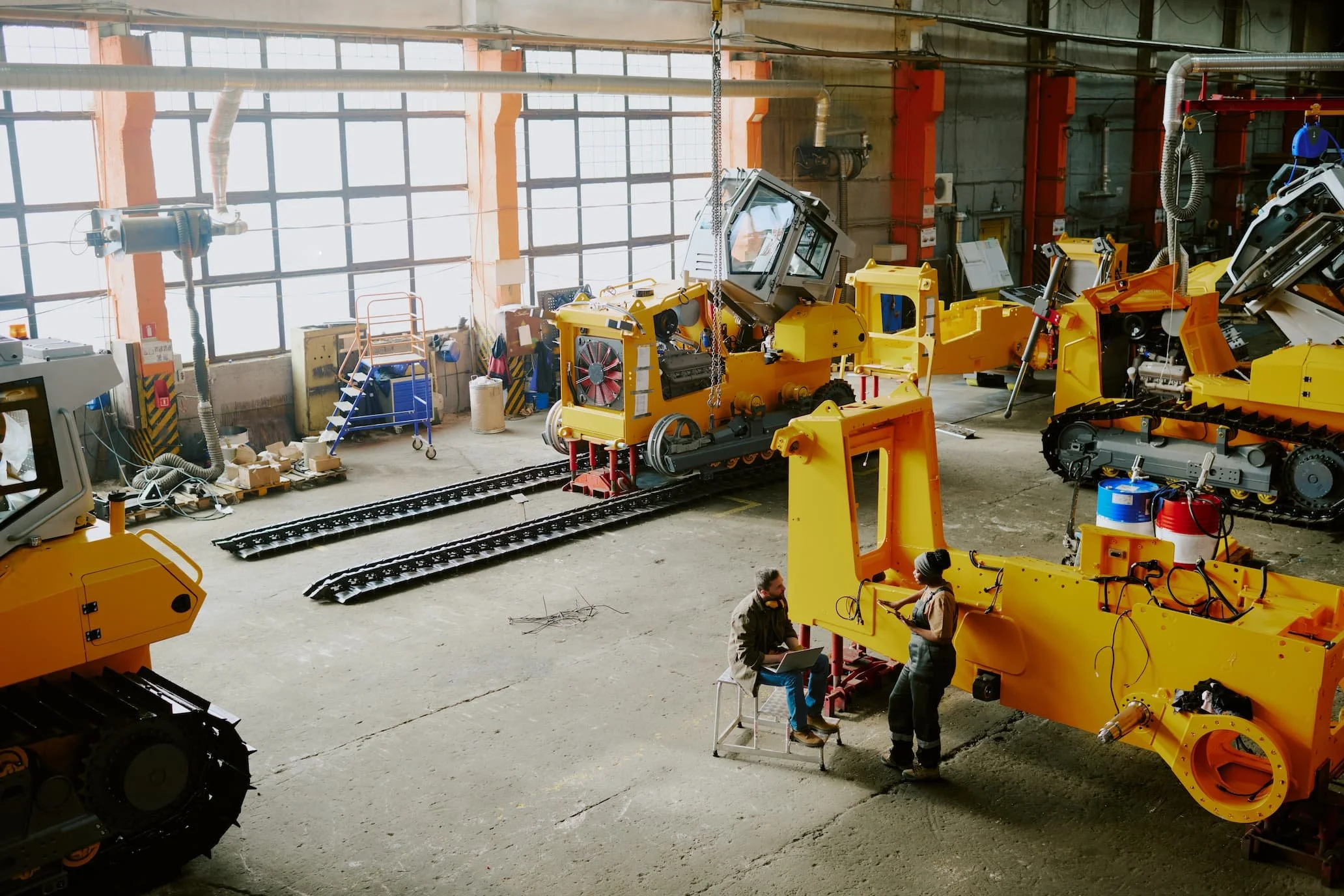
Kevin’s philosophy on product milestones is deeply tied to his view on company culture. Bedrock maintains a high bar for talent, looking for individuals with a rare combination of exceptional technical excellence and high agency—the capacity to act and get things done. Furthermore, the right candidates are motivated by working alongside a phenomenal team. This is how Bedrock filters over 10,000 applicants to find the right builders.
The culture they have built is designed for long-term success, emphasizing that success in robotics means building something real together:
The 20-Year Journey (Kevin's Philosophy)
Kevin emphasizes that the right candidates are motivated by viewing their career as a 20-year journey, just as his own was a path where being around incredible projects and incredible people was transformational for him. While the company executes on a disciplined two-year window for R&D, this short-term focus is only valuable because it allows the team to work on projects that will lead to the future "PayPal mafia of robotics."
Culture of Contribution
The culture is built on a "low ego" mentality. They seek accomplished people who are willing to put their heads down and work, prioritizing skillset progression and focusing on the value growth of the company. Crucially, they want people who prioritize being around individuals better than themselves, not vying to be the best person in the room. This means they screen out those focused on title chasing above all else.
The Applicant Story
Bedrock is looking for people whose history shows they have consistently built things that scale and have shipped complex products, not just academic research papers. They value candidates who can demonstrate they have successfully transitioned an idea from R&D into a reliable, real-world product.
Hiring Focus
The most critical hiring areas for the immediate future reflect the company’s technical challenges:
Safety and V&V Engineering to unlock the transition to driverless operation.
Applied Machine Learning (Behavior ML) using imitation learning and reinforcement learning to build core equipment behaviors.
Infrastructure and Data Science to develop large-scale simulation capabilities that accurately model the complex physics of digging in the dirt.
Looking Ahead: The Ultimate Impact and The Last Technical Hurdle
If Kevin could fast-forward ten years, the impact he wants to see is the fulfillment of the ultimate promise of robotics: that the dull, dirty, and dangerous work is handed off to a machine. He envisions a new industrial revolution where machines accelerate the economy and profoundly shape the physical world by taking over tasks like digging trenches and handling heavy construction.
Kevin believes that by achieving their vision, Bedrock Robotics aims to become the Google of the current period—the foundational, platform-level technology that everyone else builds upon. However, the biggest impediment to transforming the construction industry is not regulatory or cultural, but the technical challenge of building a reliable, precise natural language interface. While current AI can handle simple queries, the level of precision required for critical tasks like excavating next to a utility line or building a bridge foundation demands near-perfect reliability, which remains the final technical hurdle to widespread adoption.
Take Action Now!
Do not miss the full, inspiring conversation on Episode 107 | Autonomy at Bedrock: Building the Future from the Ground Up | Kevin Peterson. Listen to it via Apple Podcasts here.
Discover the transformative science behind Bedrock Robotics or connect with Kevin Peterson.
Subscribe to the Machine Minds Show and become part of our community exploring the groundbreaking power of technology and the human stories behind it.
Stay at the forefront of AI and robotics innovation. Follow The Machine Minds on Instagram and Facebook.
Ready to contribute your expertise to mindblowing innovations in AI, robotics, and advanced machinery?Connect with Samson Rose to explore exceptional career opportunities.
Is your company pioneering the future of AI and robotics and seeking top-tier talent to accelerate your vision? Collaborate with Samson Rose to build your high-performing team.
Frequently Asked Questions:
-
Bedrock Robotics is building an advanced autonomy platform for heavy construction equipment. The company aims to address labor shortages and infrastructure delays by enabling existing construction machines to operate autonomously and help accelerate critical projects like housing, energy infrastructure, and data centers.
-
Instead of building entirely new machines, Bedrock Robotics retrofits existing construction equipment with autonomy technology. This approach allows faster deployment, lower costs, and immediate integration into real-world construction environments without replacing current machinery.
-
The construction industry is facing unprecedented demand and a significant labor shortage. Autonomy helps bridge this gap by allowing machines to perform repetitive, dangerous, or time-consuming tasks, enabling projects to continue even when skilled labor is limited.
-
Safety is handled through a rigorous Verification and Validation (V&V) process. Because construction environments are lower-speed and more controlled than public roads, systems can be designed to pause or stop when humans are nearby, simplifying safety assurance while maintaining high standards.
-
Bedrock Robotics focuses on practical, near-term impact rather than purely long-term concepts. Their strategy combines short-term revenue-generating applications with a long-term vision for full autonomy, while emphasizing real-world deployment, customer value, and solving immediate infrastructure bottlenecks.