
Scaling the Robot Workforce with InOrbit.AI: The "Robotics OS" and Fleet Orchestration
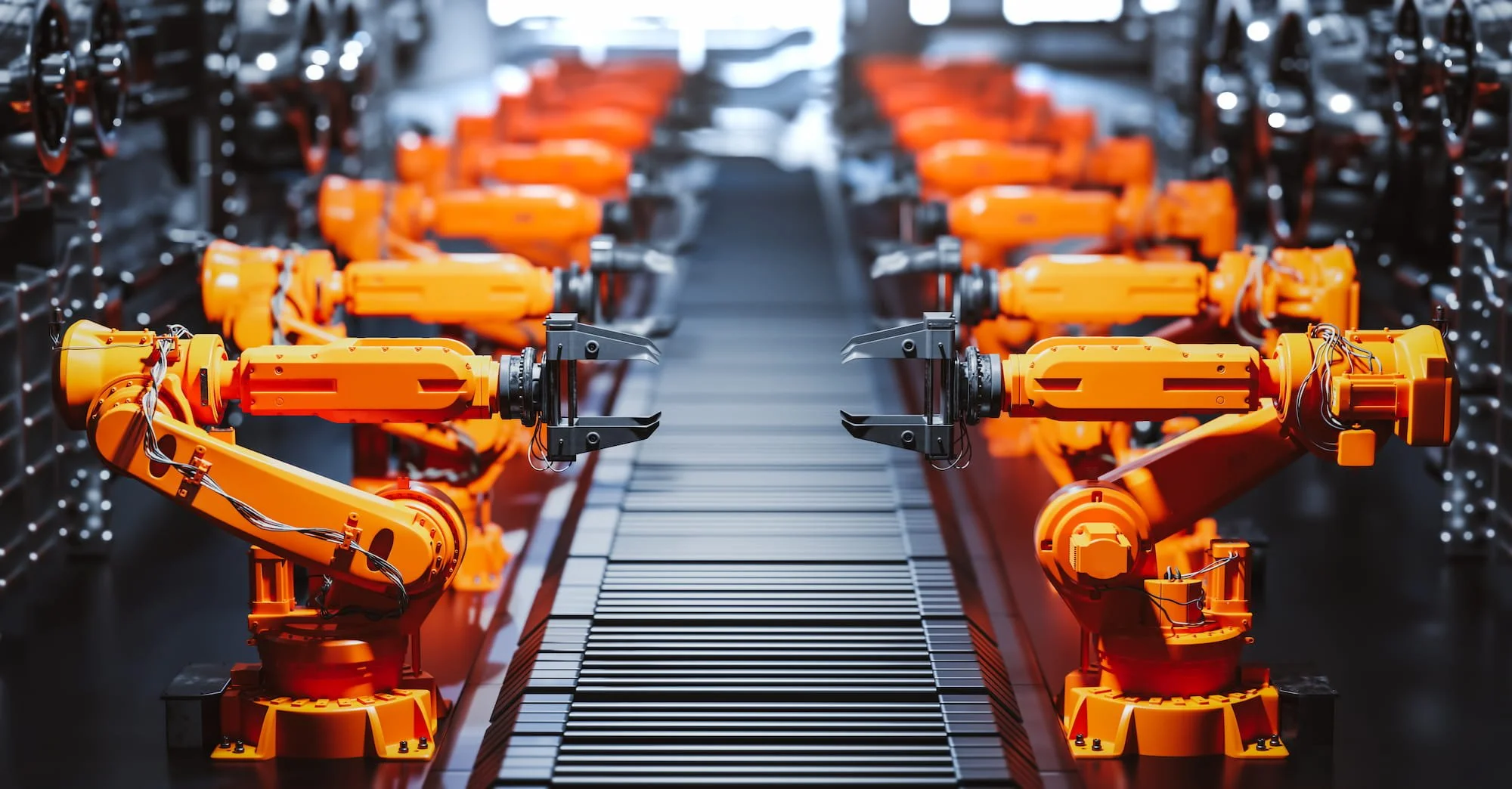
Managing heterogeneous robot fleets represents one of the most complex technical hurdles in the transition toward fully autonomous industrial environments. As these systems transition from controlled laboratory settings to the unstructured environments of warehouses and hospitals, establishing a robust "connective tissue" between raw hardware and enterprise software is crucial to ensure operational reliability. This orchestration layer enables disparate robotic platforms to operate as a unified, mission-driven workforce, rather than a collection of isolated machines.
In Episode 109 of The Machine Minds Show, host Greg Toroosian, Founder of Samson Rose, welcomes Florian Pestoni, the Co-founder and CEO of InOrbit.AI, to discuss how this orchestration layer serves as the Robotics OS for the physical world. The conversation explores the Four O's of robot operations and the realistic, infrastructure-first approach required to synchronize diverse robotic ecosystems at a global scale.
The Profile: Engineering Discipline Meets Startup Grit
Before founding InOrbit, Florian built a career defined by the ability to manage both deep technical complexity and massive global scale. With a Master of Science in Electrical Engineering, he conducted research in specialized fields such as image processing and cryptography.
Following an MBA from UC Berkeley, Florian moved into senior product leadership at Microsoft, Adobe, and Facebook, where he managed platforms serving over a billion users. This unique profile, combining the engineering discipline of Big Tech with the zero-to-one grit of a founder, drives the platform's mission to make diverse robots work in harmony.
The Interoperability Reality: Moving Beyond the Broken Promise
A fundamental challenge in the industry is the diversity of robotic ecosystems. The InOrbit mission is defined succinctly: "We do not make robots, but we make robots work better together".
When Greg asks about the greatest technical challenge in enabling interoperability, Florian points to a significant industry misconception. The original promise was that every manufacturer would eventually speak a universal language. However, this beautiful world never materialized. Rather than waiting for a standard that may never arrive, Florian took a realistic approach by building a platform designed to harmonize the pieces that must come together in the messy reality of the physical world.
The Robot Space Demo: From Abstraction to Action
To demonstrate that robot orchestration is not merely an abstract concept, Florian provided a live demonstration from the Robot Space. This is a physical facility where InOrbit conducts hundreds of live demos per quarter. Rather than utilizing canned videos, the platform provides total visibility over equipment in real-time.
Visualizing the Heterogeneous Fleet
The demonstration highlights how different classes of robots collaborate within a single digital environment:
The Global View
The software allows users to zoom from a global perspective down to a specific facility, which is an experience similar to Google Earth.
3D Simulation
Utilizing a 3D representation of the robot space, the platform creates a video game version of the facility. This allows for advanced simulations and high-fidelity navigation, supported by partnerships with companies like Nvidia.
Translating Enterprise Orders into Robot Missions
The demo shows how an order placed in a general-purpose Warehouse Management System (WMS) is instantly captured and translated into a mission for a specific robot. The system tracks Key Performance Indicators (KPIs) to ensure the operation remains efficient.
The Four O’s of Robot Operations
To manage the complexity of thousands of robots across multiple global locations, InOrbit utilizes a framework called the Four O's. Everything within the ecosystem falls into one of these categories:
Observability
Maintaining constant visibility into exactly what is happening with every robot at any given time.
Operation
Dealing with problems as they occur to ensure high utilization and prevent machines from becoming idle paperweights.
Orchestration
Coordinating the detailed interactions between diverse systems and translating enterprise orders into physical movement.
Operation
Leveraging data and artificial intelligence to identify inefficiencies and refine fleet performance.
Recruiting for Mission-Oriented Engineering
Building in robotics requires a specialized mix of software, hardware, and domain expertise. Florian identifies the ability to operate in ambiguity as a non-negotiable trait for high-impact hires because the industry is constantly evolving.
The Skeleton Job Description and Radical Transparency
Greg suggests that for early-stage hires, founders should utilize a skeleton job description to allow candidates the space to find where they can add value. At InOrbit, Florian takes this further by involving candidates in crafting their own job descriptions to play to their specific strengths.
The Eyes Wide Open Approach
Founders are encouraged to be radically transparent and even try to scare away candidates by explaining everything that could go wrong. This ensures that those who join are fully prepared for the startup journey.
Ownership Through Onboarding
InOrbit utilizes a 30-60-90 day onboarding plan where the new hire is responsible for fleshing out their own goals for the later stages. This creates immediate accountability and ownership.
The Willingness to Go Beyond
The best hires transcend their job titles. This might involve an engineer meeting a customer in person or a salesperson going deep into technical AI concepts to improve the customer dialogue.
Notes To Remember
Harmonization over Standardization. Focus on the connective tissue that makes disparate pieces work together today.
Scale with the Four O's. Managing robots distributed globally requires a systematic platform for observability, operation, orchestration, and optimization.
Recruit Builders. Look for rare animals like Florian who can bridge the gap between deep technical research and large-scale product management.
Take Action Now!
Listen to the full conversation. Catch The Machine Mind’s Episode 109 | The Operating System for Robots: InOrbit's AI-Powered Robot Orchestration via Apple Podcasts here.
Modernize Your Fleet. Visit InOrbit.AI to learn how to harmonize your multi-vendor robotic workforce.
For Employers: Master Your Hiring Strategy. Identifying the builders who thrive in ambiguity requires a move away from traditional recruitment playbooks. If you are an employer, partner with Greg Toroosian and Samson Rose to scale your team.
For Candidates: Unlock Your Future with Samson Rose. Your gateway to new horizons in Robotics, Hard Tech, and AI awaits. Let's connect!
Frequently Asked Questions
-
Our platform is designed to help diverse robotic systems work together within one operational environment. Rather than requiring every robot vendor to follow the same standards, we provide an orchestration layer that connects and coordinates heterogeneous fleets, enabling organizations to manage robots from multiple manufacturers through a unified interface.
-
Yes. Our orchestration platform is built to connect enterprise software with robotic operations. Orders generated in systems such as Warehouse Management Systems (WMS) can be translated into robot missions automatically, helping organizations streamline workflows without replacing their existing software infrastructure.
-
Our platform provides observability tools that offer visibility into robot operations across locations. Users can monitor fleet activity, operational status, utilization metrics, and key performance indicators from a centralized dashboard, making it easier to manage distributed robotic workforces at scale.
-
The platform is designed to support real-time operational management. Through monitoring, alerts, and diagnostic capabilities, teams can quickly identify issues, respond to disruptions, and maintain high fleet utilization. The goal is to reduce downtime and ensure robots continue contributing value to the operation.
-
No. Organizations of various sizes can benefit from fleet orchestration. Whether managing a small deployment or a global network of robotic systems, a centralized orchestration platform helps improve visibility, coordination, and operational efficiency while creating a foundation for future scaling.