

Key Takeaways
Long vacancies can signal a sourcing problem. If technical roles remain open despite consistent recruitment efforts, your search strategy may need to be more targeted.
A large applicant pool does not guarantee suitable candidates. Specialist positions require specific skills, relevant experience, and industry knowledge.
Internal recruitment teams may need additional support. Complex technical searches require time for market research, direct outreach, screening, and candidate evaluation.
Some technical professionals are difficult to reach. Experienced candidates may already be employed and are not always actively searching job advertisements.
Slow hiring processes can cost you strong candidates. Delayed feedback, lengthy interviews, and unclear decisions may cause qualified applicants to accept other offers.
Specialized technical talent is difficult to hire when roles demand scarce expertise, industry knowledge, and proven experience. These 12 signs can help you recognise when your recruitment approach needs specialist support.
Hiring for a technical position is not always as simple as publishing a vacancy and reviewing applications. Some roles require advanced technical knowledge, practical experience, and an understanding of complex environments. This is particularly true in robotics, artificial intelligence, engineering, and other areas of advanced technology, where the right candidate may have a highly specific skill set.
The challenge is finding someone whose expertise matches the role, the organisation's goals, and its level of responsibility. A business seeking a senior robotics leader, for example, may need more than someone who understands automation systems. It may need a professional who can guide technical teams, manage development priorities, and communicate business implications to executives.
When internal hiring methods struggle to reach or assess these candidates, specialized technical recruitment can provide additional support. The following signs can help employers determine whether their current approach is working.
8 Signs Your Business Needs Help Hiring Specialized Technical Talent
1. Your Technical Vacancies Have Been Open for Too Long
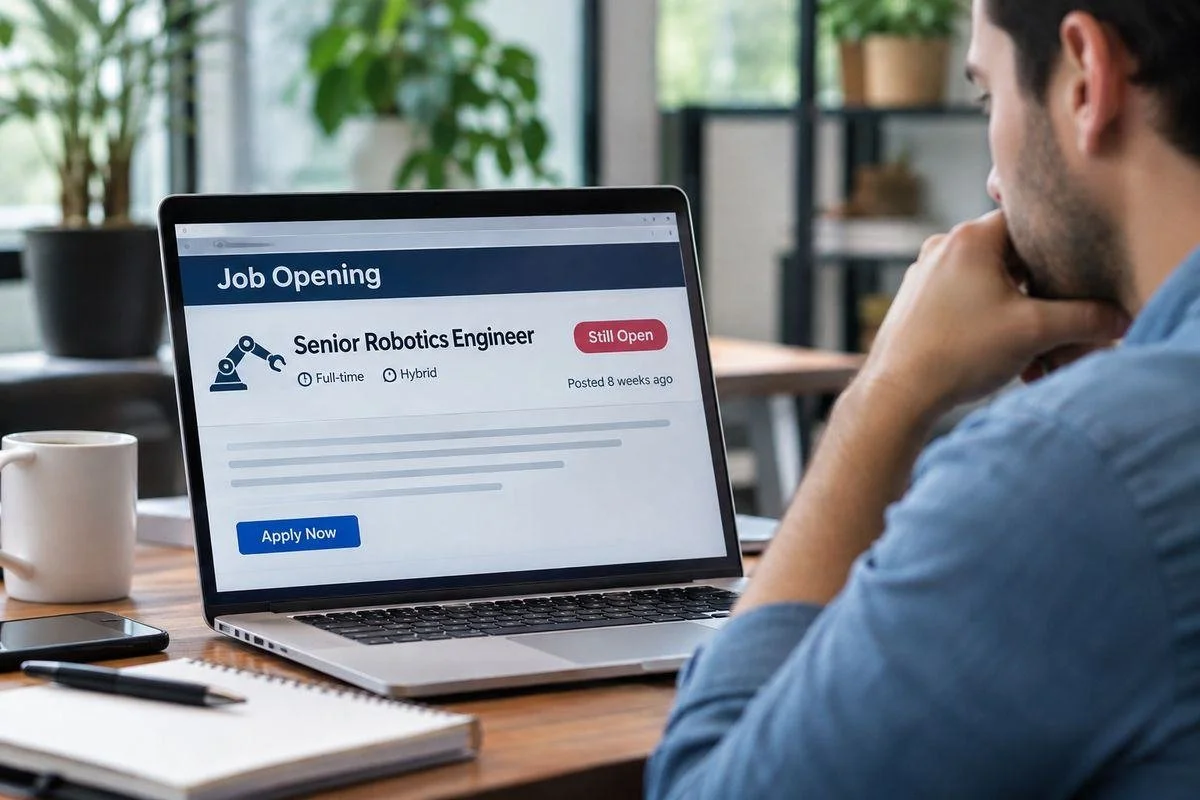
A position that remains vacant despite consistent recruitment activity may indicate that your search strategy is too broad, the requirements are unrealistic, or the candidate pool is limited. Prolonged vacancies can delay projects, increase workloads for existing employees, and cause businesses to miss important opportunities. Review whether the job description accurately reflects the work and whether your sourcing methods reach professionals with the necessary experience.
2. You Struggle to Attract Qualified Technical Candidates
A high number of applications does not necessarily mean you have a strong candidate pool. If applicants repeatedly lack essential qualifications, specialist knowledge, or relevant project experience, your vacancy may not be reaching the right audience. Experienced technical professionals may also be employed and not actively searching job boards. Targeted sourcing, professional networks, referrals, and direct outreach can help businesses reach candidates who may not respond to traditional job advertisements.
3. Your Internal Recruitment Team Cannot Keep Up With Hiring Demands
Internal recruiters often manage several vacancies alongside onboarding, workforce planning, and other responsibilities. Difficult technical searches require additional time for market research, direct outreach, candidate conversations, and screening. As businesses expand, recruitment demands may increase faster than internal teams can manage. If your team lacks the capacity to maintain progress across important vacancies, external recruitment support may help.
4. You Need Expertise That Is Difficult to Find
Some positions require experience with a specific technology, system, discipline, or industry. Others combine several specialisms that are rarely found in one candidate. When a search depends on a narrow set of capabilities, general job advertising may not be enough. Specialist recruiters can help identify relevant talent pools and distinguish essential requirements from desirable ones.
5. Your Hiring Process Is Too Slow
In-demand candidates may be speaking with several employers. Delayed feedback, unclear decisions, repeated interview stages, and slow approvals can cause promising candidates to lose interest or accept another offer. Review your recruitment process to identify unnecessary delays and improve communication with applicants.
6. You Struggle to Assess Technical Skills Accurately
A candidate may look suitable on paper but struggle with the actual responsibilities. This can happen when interviews focus on general experience without evaluating the capabilities the position requires. Recruiters and hiring managers do not need to be experts in every technology, but they need reliable ways to assess candidates. Structured interviews, practical assessments, project examples, and clear evaluation criteria can help businesses make more informed hiring decisions.
7. The Position Combines Technical Expertise With Leadership
Senior technical appointments often require more than hands-on knowledge. A department head, director, CTO, or Chief AI Officer may need to set strategy, lead specialists, manage budgets, and connect technical decisions with business priorities. These combined requirements make the search more complex than hiring for a purely technical position. Understanding AI executive search can help illustrate the additional considerations involved in these appointments.
8. You Struggle to Attract and Retain the Right People
If candidates repeatedly decline offers or new hires leave soon after joining, investigate the reasons. Compensation, role responsibilities, management expectations, career development, and workplace culture can all influence decisions. Recruitment support may improve access to relevant candidates, but employers also need a credible proposition and an environment where skilled professionals can succeed. Explore how engineering teams can be strengthened for long-term success.
What Happens When Specialized Technical Roles Remain Unfilled?
Projects and Business Opportunities Can Be Delayed
A missing specialist can create a bottleneck when a project depends on expertise that other team members do not have. Product development, system implementation, and engineering work may take longer. In some cases, businesses may need to postpone projects or decline opportunities until the necessary capabilities are available. The challenges of scaling technical operations demonstrate why having the right people in place matters.
Existing Employees Face Additional Pressure
Teams often compensate for vacancies by sharing responsibilities. This may be manageable temporarily, but prolonged gaps can increase workloads and reduce time for core duties. Employers should monitor team capacity rather than treating repeated overtime as a permanent staffing solution.

Recruitment Costs Can Increase
A lengthy search consumes time across recruiters, hiring managers, and technical interviewers. Restarting recruitment or making an unsuitable hire can create additional expenses. The overall cost includes more than advertising or agency fees; it can also involve lost productivity, delayed delivery, and the time required to recruit again.
The Business May Lose Momentum
In technology-driven sectors, developing and maintaining specialist capabilities can influence competitiveness. An unfilled position may slow innovation or make it harder to respond to customer and market needs. Addressing recruitment challenges early helps organizations make informed decisions about their workforce requirements.
Find the Right Specialized Technical Talent to Move Your Business Forward
Hiring specialized technical talent requires a clear understanding of the position, access to relevant candidates, and a thoughtful process for evaluating expertise and suitability. If vacancies remain open, applicants consistently miss the mark, or critical appointments affect business performance, it may be time to review your approach. Specialist support can help businesses reach professionals who may not be accessible through conventional recruitment methods.
Samson Rose works with businesses seeking high-level employees across robotics, artificial intelligence (AI), and advanced technology. Its recruitment services cover senior leaders, including Heads of Departments, Directors, and C-suite executives such as CTOs and Chief AI Officers, as well as technical specialists who can be difficult to find through general hiring channels. From the initial consultation through to final placement, Samson Rose works with businesses to understand their requirements and connect them with professionals whose experience aligns with the role.
If your organisation needs support with a specialist or senior-level appointment, contact Samson Rose to discuss your recruitment requirements.
Frequently Asked Questions
What Is Specialized Technical Talent?
Specialized technical talent refers to professionals with advanced skills, focused expertise, or experience in a particular technical discipline. Examples include robotics engineers, AI specialists, cybersecurity professionals, software architects, and technical executives. These positions require knowledge that general professional experience may not provide.
Why Is It So Difficult to Hire Specialized Technical Professionals?
These searches can be challenging because the required skills may be uncommon, qualified candidates may already be employed, and employers often compete for the same professionals. Some positions also combine technical expertise with leadership or industry experience. Unclear job requirements and lengthy hiring processes can make recruitment even more difficult.
How Can Companies Find Candidates With Specialized Technical Skills?
Start by defining the essential capabilities and responsibilities of the position. Use targeted sourcing, professional networks, referrals, industry communities, and direct outreach rather than relying only on general job advertisements. Assess candidates through structured interviews and relevant technical evidence, such as project examples and practical assessments.
When Should a Company Use a Technical Recruitment Agency?
Consider an agency when a vacancy remains open despite reasonable recruitment efforts, the candidate pool is narrow, internal recruiters lack specialist knowledge or capacity, or a senior appointment carries significant business responsibility. An external partner may also help when a confidential or particularly focused search is required.
What Is the Difference Between a General Recruiter and a Specialized Technical Recruiter?
A general recruiter may work across different departments, industries, and role types. A specialized technical recruiter focuses on particular technical markets and develops an understanding of relevant skills, candidate networks, and position requirements. The right choice depends on the complexity of the vacancy and the expertise needed to source and evaluate suitable candidates.