
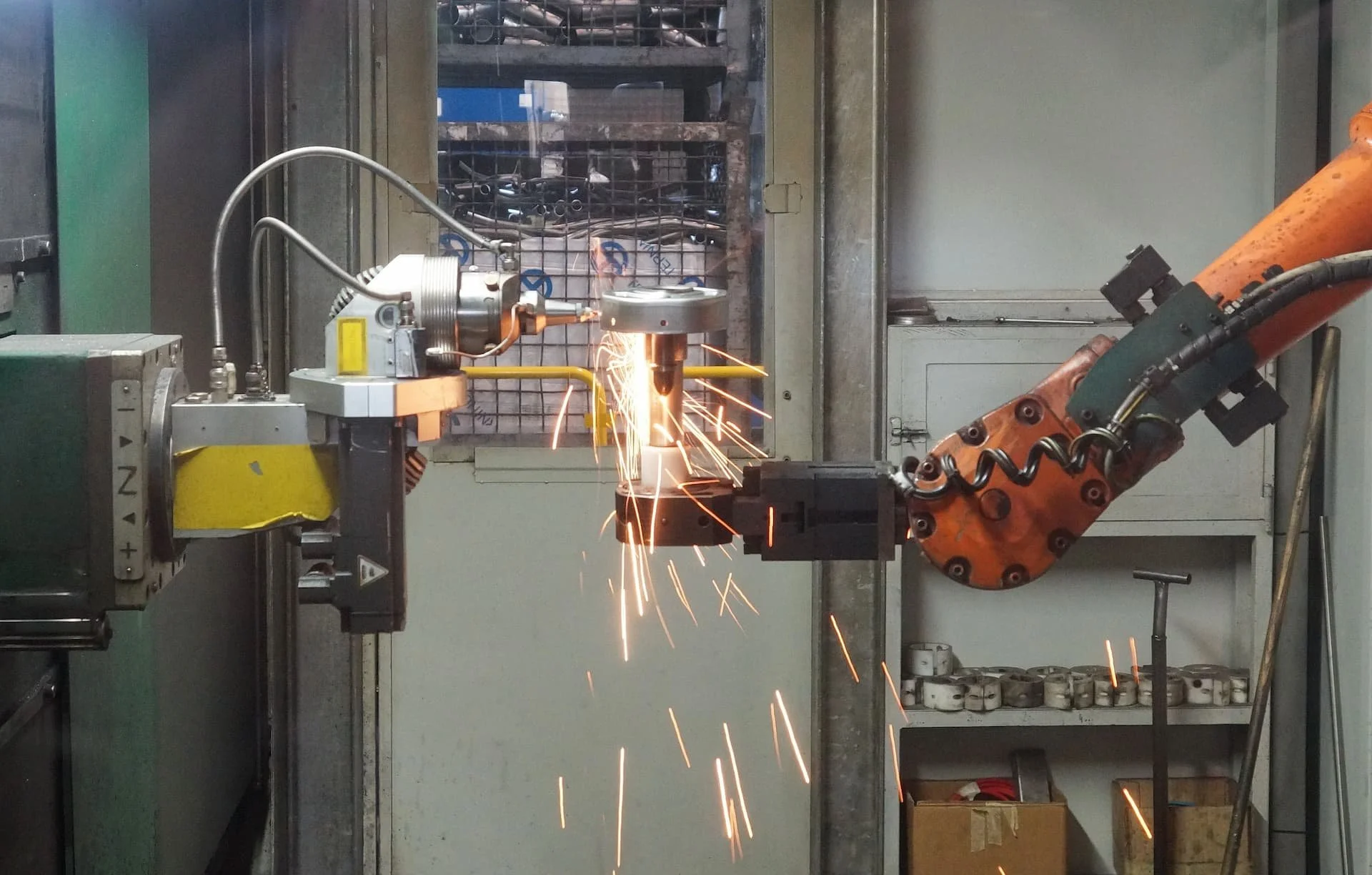
Every robotics founder has watched it happen. The demo goes beautifully, the room claps, and then the robot meets an actual factory floor, and everything gets complicated. Wiring, calibration, safety checks, odd lighting, parts that arrive slightly different every morning. The gap between a stage-ready prototype and a machine that earns its keep is where most good ideas quietly stall out.
The gap is the heart of Episode 126 of Machine Minds, where host and Samson Rose CEO, Greg Toroosian, sits down with Jennifer Kwiatkowski, an AI Specialist at Robotiq. Her path runs from mechanical engineering at McGill to roughly a decade inside robotics and AI, with a research background in robotic manipulation and tactile sensing. She has seen the fragile side of physical systems up close, and she talks about it with refreshing honesty.
If you build, buy, or invest in robots, this conversation is worth your time. Here is what stood out.
A Career Built on Making Math Work Outside the Whiteboard
Jennifer’s story starts with a simple motivation: she wanted math and physics to leave the whiteboard and do something in the physical world. That drive carried her from aerospace engineering into tactile sensing, then into physical AI, and eventually into a role where hardware, software, and customer reality all collide.
She makes a point that engineers deserve more credit in the robotics story. Scientists often get the spotlight for new ideas, but engineers are the ones who turn theory into something that survives contact with the real world. That distinction shapes how she thinks about every project, and it sets the tone for the rest of the episode.
The Hidden Cost Nobody Puts on the Slide
One of the most useful ideas in the conversation is about money. Integration, the work of getting a robot to function inside a real workflow, can account for 50 to 80 percent of the total cost of an automation project. The robot itself is often the smaller line item.
That number changes how you should think about buying and building. A few things follow from it:
A cheaper robot does not guarantee a cheaper project if integration is messy.
Products that are easy to set up and easy to redeploy carry real, measurable value.
Founders who ignore integration in their pitch are ignoring most of what their customers will actually pay for.
For anyone evaluating an automation investment, this is a reminder to ask the unglamorous questions early. How long does setup take? Who maintains it? What happens when the process changes next quarter?
Why Shiny Demos Rarely Become Deployed Systems
Jennifer draws a clear line between a robot that impresses and a robot that deploys. A demo only has to work once, under friendly conditions, with the right person standing nearby. A deployed system has to work thousands of times, in the background, without anyone holding its hand.
She also shares lessons from building automated pick-and-place systems for data collection. Physical AI runs on data, and collecting that data in the real world turns out to be slow, expensive, and full of barriers that software-only teams never face. It is a good reality check for anyone assuming that robots will simply learn everything from a large enough pile of examples.
The practical takeaways are straightforward:
Reliability beats novelty once a customer depends on the machine.
Vertical focus beats general-purpose promises, because application-specific reliability is something you can actually test and guarantee.
Real deployments teach you things that no lab ever will.
For companies developing these systems, robotics recruitment can also play a role in building teams with the expertise needed to move from prototypes to reliable deployments.
If a Human Still Has to Babysit It, It Is Not Automated
Here is the line that tends to stick with listeners. Jennifer makes the case that if a person still has to supervise a system constantly, you have not really automated anything. You have moved the work around and added a robot to the payroll of attention.
This is a useful test for any automation pitch. Ask what the human does all day after the robot arrives. If the answer is “watches it,” the value story needs another look.
She is also practical about AI. In unstructured environments, where objects vary and conditions change, AI can add real value because rigid programming simply cannot keep up. But in controlled, repeatable settings, AI can introduce complexity that nobody needed. Knowing which situation you are in is part of good engineering judgment, and it keeps teams from reaching for the trendiest tool when a simpler one would do the job better.
Teams working on these challenges may need computer vision engineers who can help systems interpret changing environments, as well as reinforcement learning engineers with the skills to develop and refine learning-based approaches.
Customer Empathy Is a Technical Skill
A thread running through the whole episode is the importance of setting honest expectations with customers. Jennifer describes customer empathy as something you practice, not something you mention in a mission statement. When a robotics company understands what the customer is truly trying to accomplish, it can say no to the wrong projects, scope the right ones, and avoid the quiet disappointment that follows an overpromised rollout.
This connects back to the earlier points about integration and supervision. Most failed deployments are not caused by a single catastrophic bug. They happen because the promise and the reality drifted apart, and nobody said so out loud until it was too late.
Scaling Is Where Supply Chain and Support Show Up
Building one great robot is an engineering challenge. Building hundreds is an operations challenge. Jennifer explains why supply chain and support become major bottlenecks as robotics companies grow. Components get delayed, field issues pile up, and customers expect fast answers when something stops moving.
She also talks about using OKRs to keep teams aligned without turning every decision into a traffic jam. The goal is clarity about what matters while still letting people move quickly. For young hardware companies adding headcount, that balance is worth studying.
Some questions worth asking before you scale:
Who answers the phone when a robot stops in the field?
How many weeks of supply risk are sitting in your bill of materials?
Can your team make decisions without waiting for a meeting?
These questions highlight the operational challenges that emerge as robotics companies move from building individual robots to supporting them at scale. Reliable customer support keeps deployments running, proactive supply chain planning reduces the risk of costly delays, and clear decision-making helps teams respond quickly when problems arise. Addressing these areas early allows companies to scale more confidently, maintain customer trust, and ensure their technology performs reliably beyond the initial deployment.
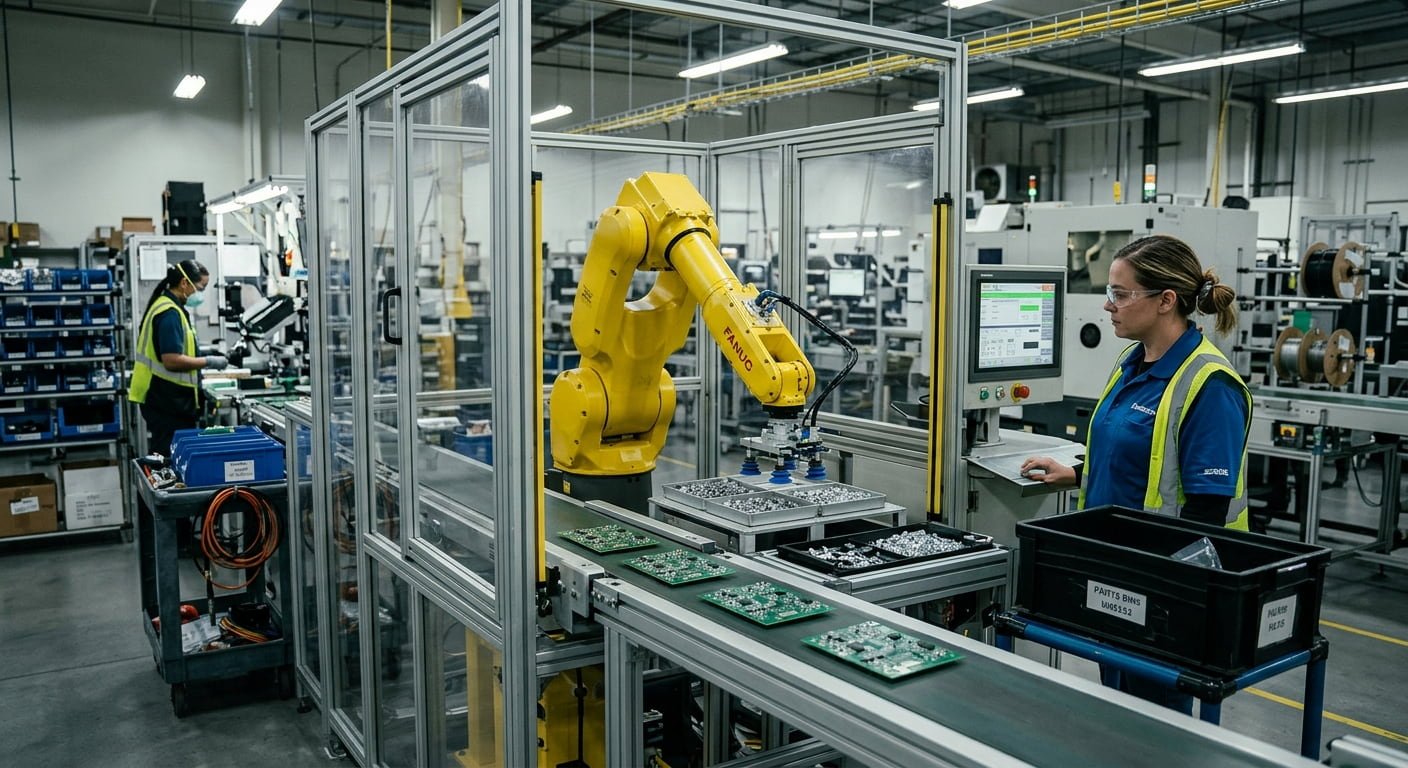
Humanoids, Hype, and the Case for Weird Robots
No modern robotics conversation is complete without humanoids, and Jennifer offers a measured take. The current hype cycle is loud, but she points toward more sustainable growth in practical adoption, where robots solve specific problems and earn trust one deployment at a time.
She also raises the stakes around safety and privacy as robots move out of fenced-off cells and into unconstrained human environments. Those questions get harder, not easier, once machines share space with people.
Then comes the fun part. Jennifer says she is excited about “weird robots,” meaning unconventional form factors that move beyond imitating the human body. Not every job needs two arms and two legs. Sometimes, the best machine for the task looks nothing like us, and that freedom is where some of the most interesting design work is likely to happen.
Why This Episode Matters for Founders, Engineers, and Operators
The through-line of this conversation is grounded optimism. Jennifer is clearly a believer in robotics, but she believes in the version that ships, scales, and delivers a return. Her advice boils down to a handful of habits:
Respect integration costs from day one. Budgeting for integration early helps companies account for installation, testing, calibration, and workflow adjustments before they become unexpected expenses. This gives founders and investors a more realistic picture of the total cost of automation and its potential return on investment.
Pick a focused application and make it reliable. Concentrating on a specific use case allows engineering teams to refine performance under known conditions before tackling more complex environments. This makes reliability easier to measure, simplifies troubleshooting, and helps companies demonstrate clear value to customers before expanding into additional applications.
Judge automation by how much human supervision it removes. A robot that requires constant monitoring may shift work rather than eliminate it. Measuring how often people need to intervene helps businesses understand whether automation is genuinely improving productivity, reducing labour demands, and delivering the operational benefits they expected.
Be honest with customers about what the system can and cannot do. Setting realistic expectations around performance, limitations, and deployment requirements helps customers make informed decisions. It also reduces the risk of disappointment, strengthens trust, and creates a more practical foundation for long-term customer relationships.
Plan for supply chain and support before growth forces the issue. Identifying component dependencies, preparing for potential shortages, and establishing responsive technical support help companies avoid preventable delays as deployments increase. Planning ahead also makes it easier to maintain consistent service, resolve field issues, and scale operations without compromising reliability.
For teams building physical AI, that list is a solid checklist for the road from the prototype to production.
Meet the Host: Greg Toroosian and Samson Rose
Conversations this practical do not happen by accident. Machine Minds is hosted by Greg Toroosian of Samson Rose, and the show has built a loyal audience by giving founders, investors, and engineers room to talk about the real work behind robotics, AI, and hard tech. Greg asks the kind of questions that pull useful detail out of his guests, and his connection to the industry shows in every episode.
Samson Rose works closely with the robotics and hard tech community, and that proximity to the builders is exactly what makes the podcast so grounded. If you are hiring for a robotics team, growing an automation company, or simply want to stay close to the people shaping the field, Greg and the Samson Rose team are worth following. Subscribe to Machine Minds wherever you listen, and catch the next conversation with the minds behind the machines.
Deepen Your Understanding of Deployable Robotics
Explore More from Machine Minds and Robotiq:
Listen to the Full Discussion: Head over to Spotify or Apple Podcasts for Beyond the Demo: Building Robotics That Actually Work with Jennifer Kwiatkowski.
Analyze the Technical Architecture: Visit Robotiq’s website to explore their robotic grippers, automation solutions, and real-world application resources.
Connect with the Speaker: To follow insights on physical AI, tactile sensing, and robotics deployment, follow Jennifer Kwiatkowski on LinkedIn.